

These are some examples of the research projects and programmes that are being led by members of the domain. Please feel welcome to contact the relevant faculty members or visit the programme websites for more information.
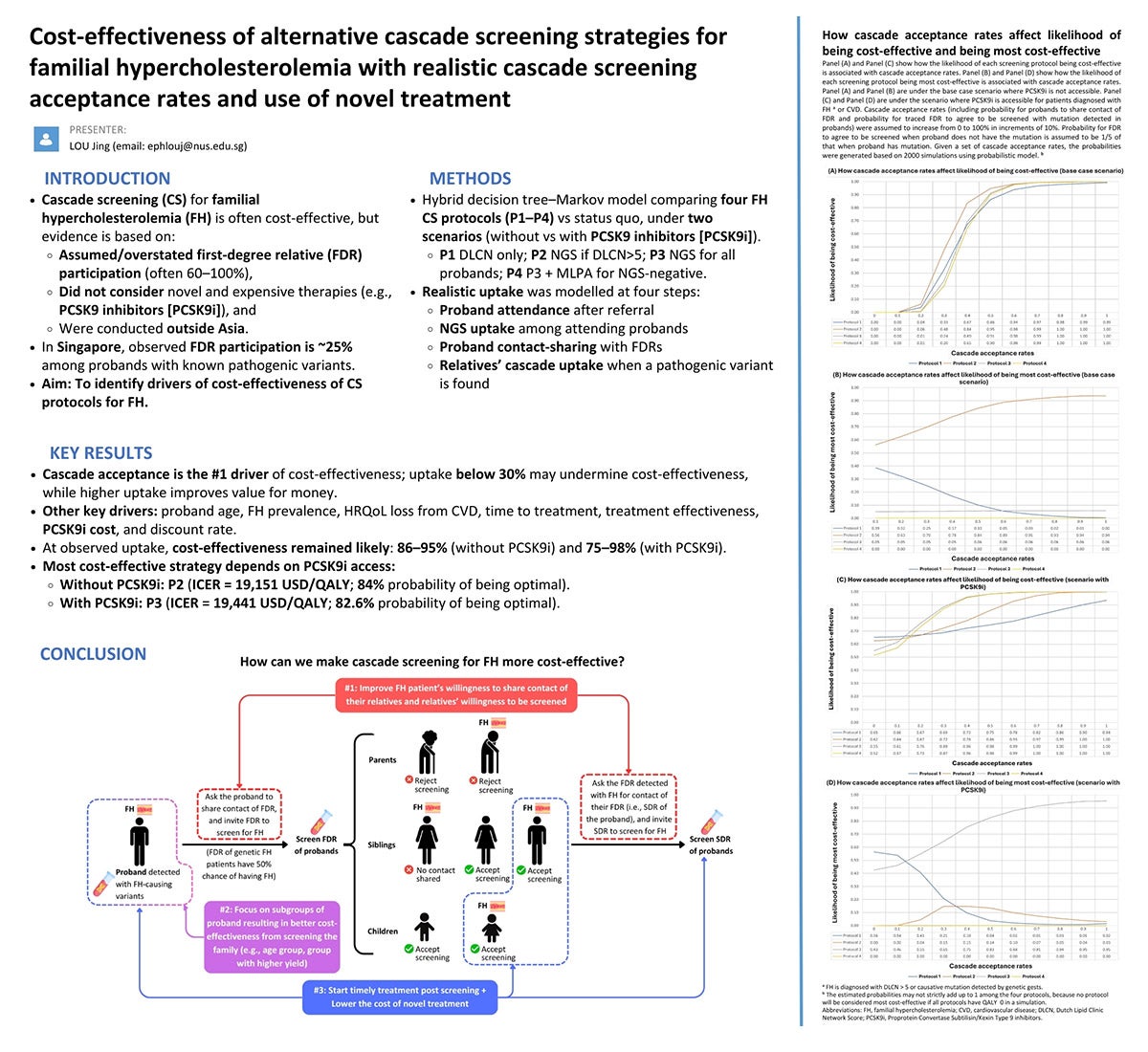
Cost-effectiveness of alternative cascade screening strategies for familial hypercholesterolemia with realistic cascade screening acceptance rates and use of novel treatment
Cascade screening (CS) for familial hypercholesterolemia (FH) is generally cost-effective, but prior studies often overestimate cascade participation, exclude costly therapies like PCSK9 inhibitors (PCSK9i), and lack Asian data.
Using a Singapore-based hybrid decision tree–Markov model, four CS protocols were evaluated. Cascade acceptance rates were the primary driver of cost-effectiveness, alongside proband age, FH prevalence, treatment timing and effectiveness, PCSK9i cost, and discount rates.
With observed cascade participation (~25%), cost-effectiveness probabilities ranged from 86–95% without PCSK9i and 75–98% with PCSK9i. Improving cascade participation, reducing treatment costs, targeting proband age, and ensuring timely treatment can enhance cost-effectiveness.
Research: https://www.atherosclerosis-journal.com/article/S0021-9150(25)01314-0/fulltext
Team Leads: A/Prof Wee Hwee Lin (Economic PI), A/Prof Subramaniam Tavintharan (Clinical PI)
Members: Jing Lou, Kok Joon Chong, Sharon Li Ting Pek, Yasmin Bylstra, Chester Lee Drum, Weng Khong Lim, Yi Wang, Khung Keong Yeo
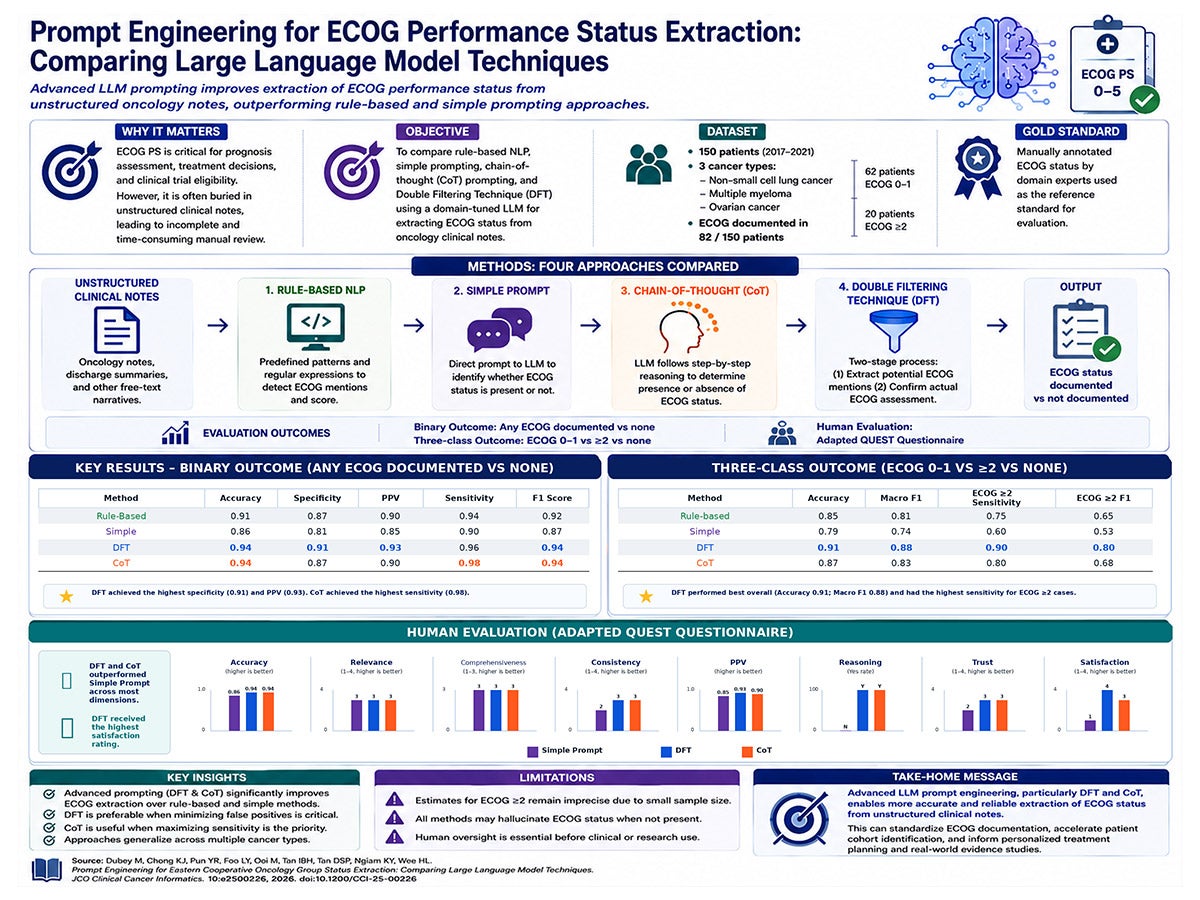
Prompt Engineering for Eastern Cooperative Oncology Group Status Extraction: Comparing Large Language Model Techniques
This research highlights how advanced large language model (LLM) prompt engineering can improve extraction of Eastern Cooperative Oncology Group (ECOG) performance status from unstructured oncology clinical notes.
The study compared four approaches: rule-based natural language processing, simple prompting, chain-of-thought prompting, and Double Filtering Technique. Using oncology records from patients with non–small cell lung cancer, multiple myeloma, and ovarian cancer, advanced prompting methods achieved the strongest performance. Double Filtering showed high specificity and positive predictive value, while chain-of-thought achieved the highest sensitivity.
These findings show the potential of clinically guided LLM workflows to standardize ECOG documentation, support research, and improve patient cohort identification.
Research: https://ascopubs.org/doi/10.1200/CCI-25-00226
Team Lead: A/Prof Wee Hwee Lin
Members: Meenakshi Dubey, Kok Joon Chong, Yuba Raj Pun, Lee Yi Foo, Melissa Ooi, Iain Bee Huat Tan, David Shao Peng Tan, Kee Yuan Ngiam
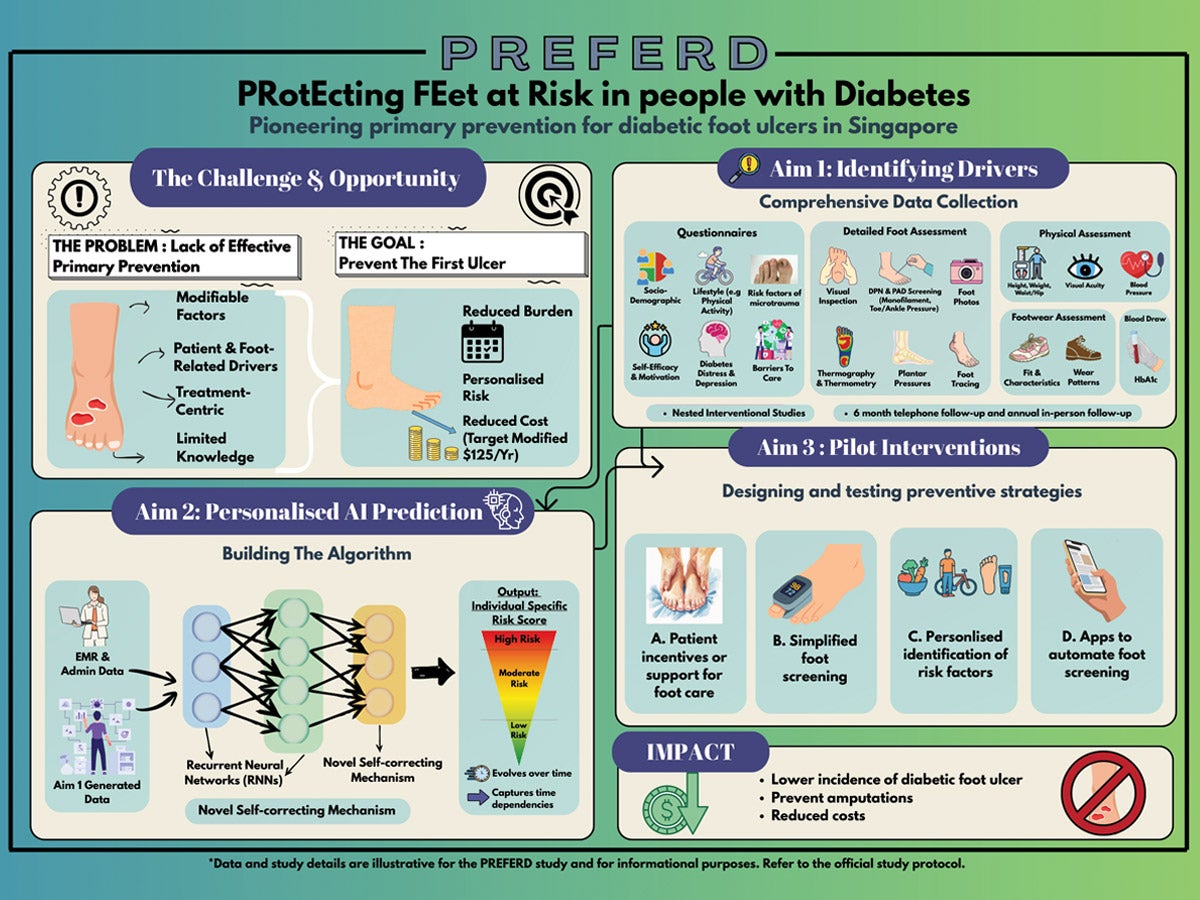
PRotEcting FEet at Risk in people with Diabetes (PREFERD)
The PREFERD Study addresses a critical gap in Singapore’s healthcare: the lack of effective primary prevention for Diabetic Foot Ulcers (DFU). While current strategies focus on recurrence, PREFERD targets high-risk individuals before chronic ulceration begins. By tracking 1,000 participants over three years, we aim to identify novel and modifiable clinical lifestyle and biomechanical factors for a first-ever ulcer.
Leveraging Self-Correcting AI (Recurrent Neural Networks), we will personalize risk stratification to identify at-risk individuals early. This evidence-based approach will lower DFU incidence and prevent amputations, translating to significant cost savings and improved health outcomes for people living with diabetes in Singapore.
Team Lead: A/Prof Kavita Venkataraman
Members: Dua Avinashi Sanchi, Dinesh Natarajan, Manasi, Babitha Sekar, M Meenatshi
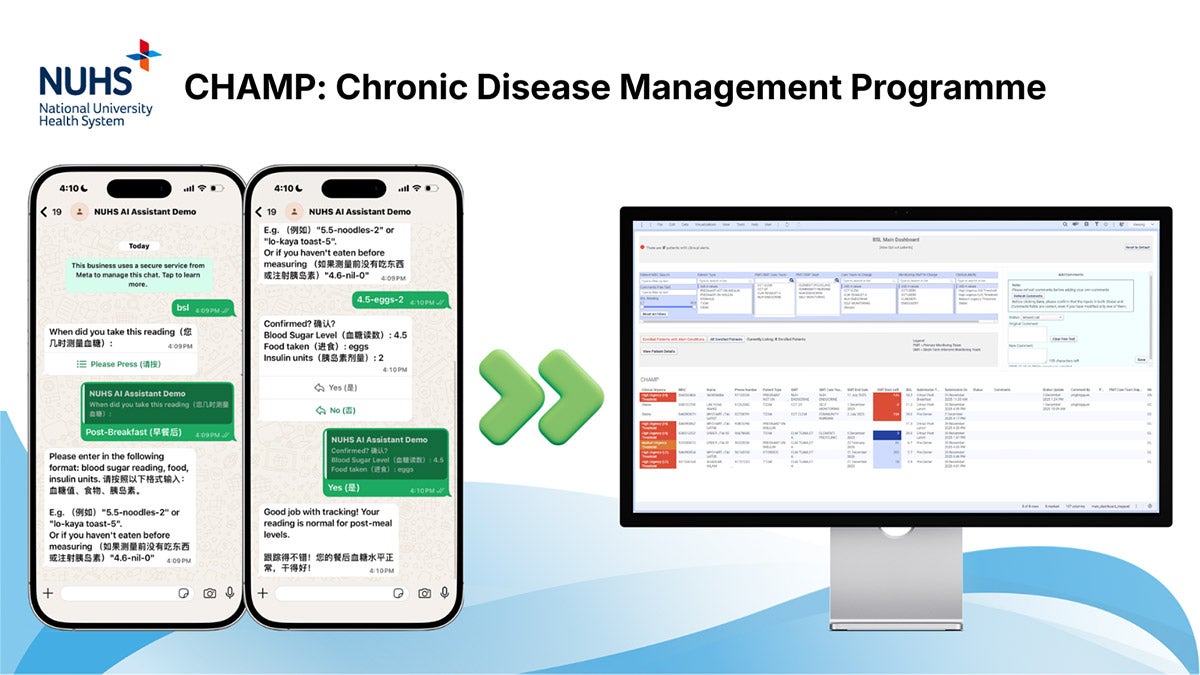
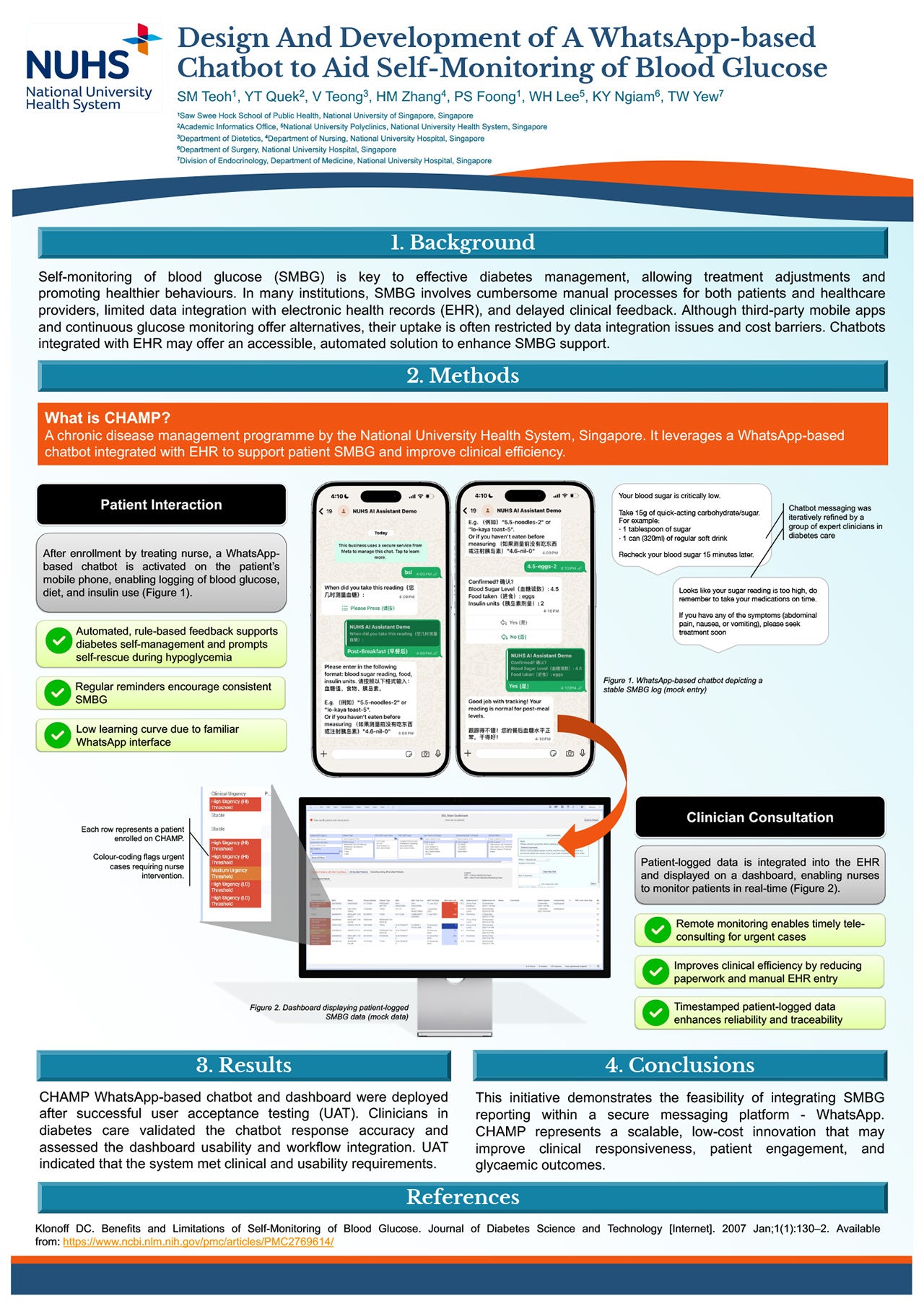
CHAMP: Evaluating a WhatsApp-based Chatbot for Self-Monitoring of Blood Glucose in Type 2 Diabetes
Self-monitoring of blood glucose (SMBG) is an important part of diabetes self-management, but conventional paper-based monitoring can be cumbersome for both patients and clinicians. CHAMP, a programme by the National University Health System, Singapore, uses a WhatsApp-based chatbot integrated with electronic health records (EHRs) to support SMBG through automated reminders, feedback, and real-time monitoring. The chatbot has been deployed across several healthcare clusters, including NUP Clementi, where it has nearly replaced conventional paper-based monitoring and has been positively received by both clinicians and patients. For clinicians, the chatbot streamlines the review of patients’ blood glucose readings, reducing the need to contact patients individually to collect and review their readings. For patients, the chatbot eliminates the need to carry paper records, which can be misplaced or lost.
The Telehealth Core contributes user experience expertise throughout the iterative development of CHAMP, and continues to support its integration into the NUH diabetes clinic through practice-based evaluations with clinicians and patients. These insights help identify opportunities to improve the chatbot’s usability and workflow integration.
Team Lead: Dr Yew Tong Wei
Authors: Shermin Teoh, Prof Gerald Koh Choon Huat, Dr Foong Pin Sym, Zhang Hui Min, Teoh Chieu Leng, Oh San San, Vinh Anh Huynh, Wayne Han Lee, Quek Ying Ting, Teng Jin Chen, Sharon Lee
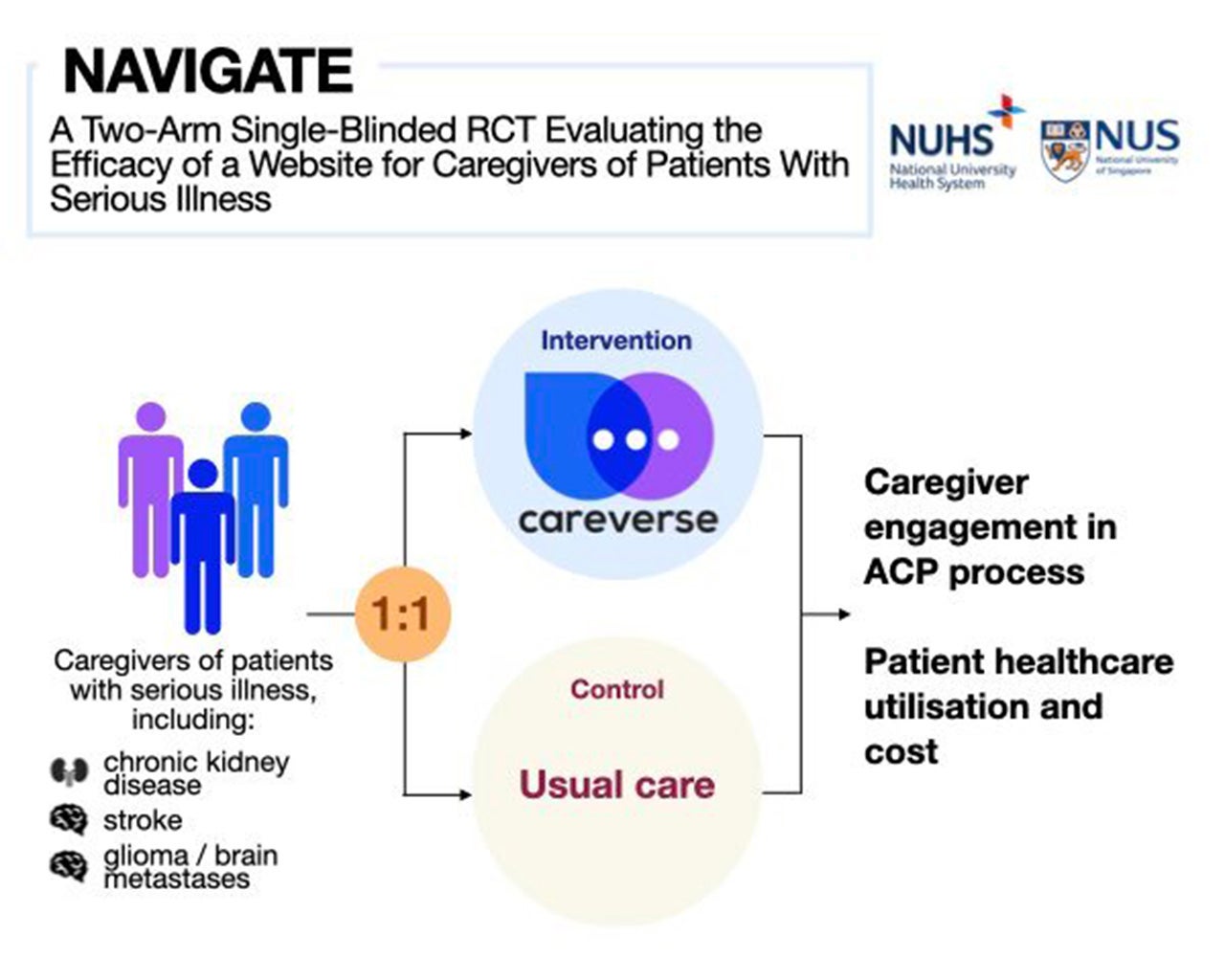
Navigating Advanced Illness Goals And Treatment with Digital Engagement (NAVIGATE): A website for caregivers of patients with serious illness
Careverse is a digital psychoeducational platform that helps caregivers and patients clarify values, articulate end-of-life preferences, and prepare surrogates for medical decision-making. Careverse was iteratively designed with inputs from caregivers and multidiscipline team of healthcare workers to address the key needs and challenges of surrogates. The website contains curated articles, testimonial videos, and interactive tools to help facilitate values elicitation and guide caregivers in their interactions with patients and clinicians. We are conducting a two-arm, single-blinded trial at NUH with patient–caregiver dyads to evaluate efficacy against usual care. Designed for remote, low-burden use, Careverse integrates seamlessly into care pathways and is scalable across healthcare systems for serious illness caregiving.
Website: https://careverse.sg
Article: https://clinicaltrials.gov/study/NCT07134881
Team Leads: Dr Foong Pin Sym, Prof Gerald Koh
Members: Vinh Anh Huynh (Study Co-Lead), Dr Mervyn Jun Rui Lim, Prof Tau Ming Liew, Prof Eric Andrew Finkelstein, A/Prof Chetna Malhotra, Prof Vincent Diong Weng Nga, Prof Tseng Tsai Yeo, Dr Noreen Chan, Dr Jia Neng Tan, Amy Lim
P4 (Personalised Patient Preference Predictor)
Can AI help us make difficult medical decisions?
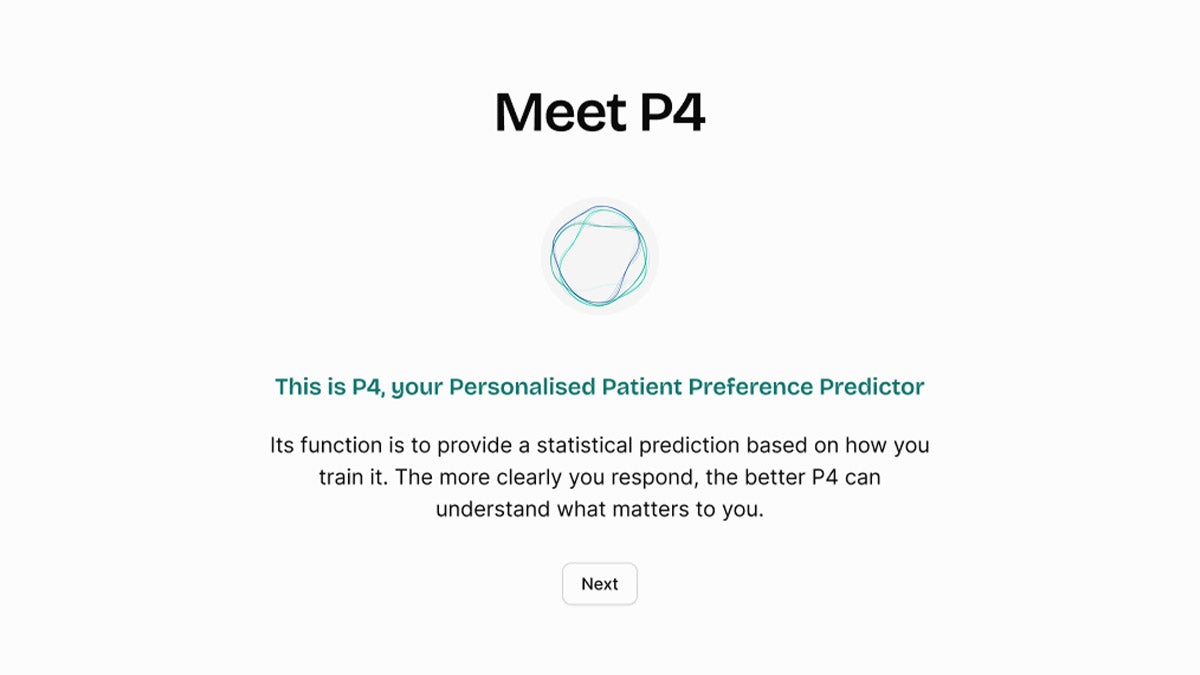
Patients, caregivers, and clinicians often struggle to translate personal priorities into treatment decisions within complex clinical contexts, especially under stress and uncertainty. We are developing P4 (Personalised Patient Preference Predictor), an LLM-based “patient co-pilot” that learns what matters to an individual through structured interactions and applies this to realistic scenarios to suggest aligned treatment choices.
In an early prototype, we observed 86.7% agreement between participants and the system. We are now extending this as a proof-of-concept with the aim of helping solo agers, easing caregiver burden, and supporting decision-making in ageing populations.
Team Lead: Natasha Ureyang
Members: Natasha Ureyang, Dr Foong Pin Sym, Brian D. Earp, Sebastian Porsdam Mann, Zuriel Hassirim, Melanie Almonte, Liu Yuxin, Chen Wenhao, Thant Naylin, Aung Thiha
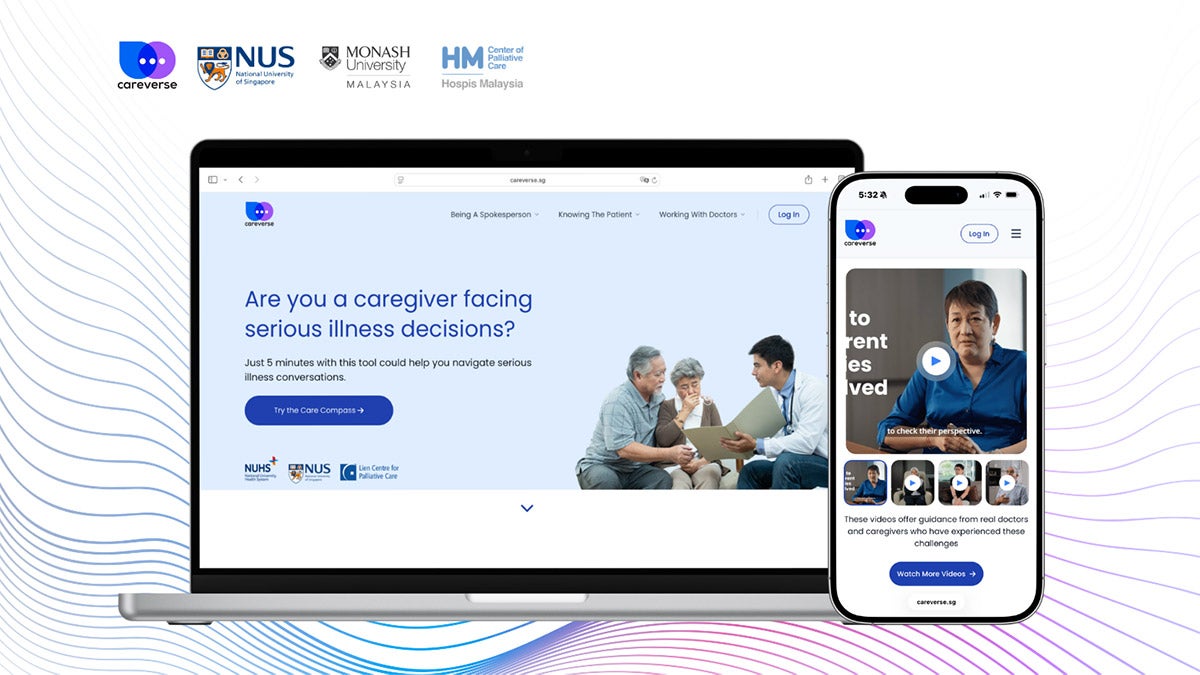
Scaling Careverse to Hospis Malaysia: A Pilot Implementation Study
Careverse is a digital psychoeducational website developed by the Telehealth Core to help caregivers and patients clarify their values, and prepare caregivers for medical decision-making. In collaboration with Hospis Malaysia (HM), we are exploring an implementation of this intervention for community hospice services. A focus group with 12 HM clinicians suggested it could enhance family communication and streamline care planning. We plan to pilot Careverse with patients and caregivers, observing its use in care planning during home visits. This implementation research project contributes valuable insights into the use of Careverse in home-based care, particularly in a setting outside of Singapore.
Website: https://careverse.sg
Article: https://clinicaltrials.gov/study/NCT07134881
Team Leads: Tag Alshehri (PI), Prof Gerald Koh Choon Huat
Members: Dr Foong Pin Sym, Natasha Ureyang, Thant Nay Lin, Aung Thiha, Vinh Anh Huynh, Shermin Teoh, Jennifer Ho, Ashley Loh
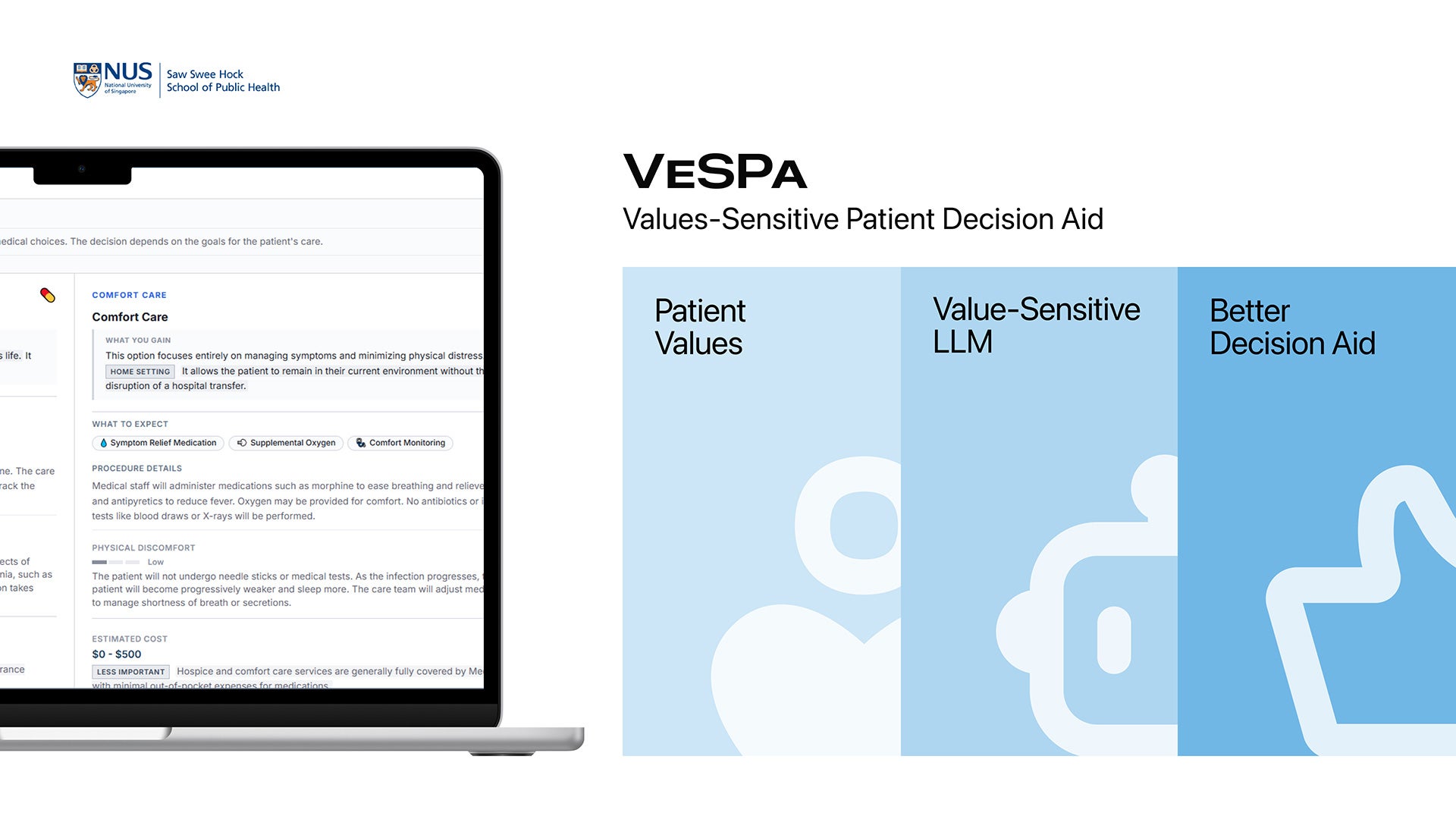
VeSPa: Values-Sensitive Patient Decision Aid
VeSPa is a research prototype investigating how large language models can be used to support values-based medical decision-making. The system helps users articulate priorities and concerns, then presents treatment options through structured, comparative narratives. The project examines how AI may move beyond information delivery to support reflection, value clarification, and communication in serious illness contexts.
Team Lead: Dr Foong Pin Sym
Members: Wenhao Chen, Natasha Ureyang, Thant Nay Lin, Amy Lim
BRIDGE (Building Regional Insights and Data for Governance and Health Equity)
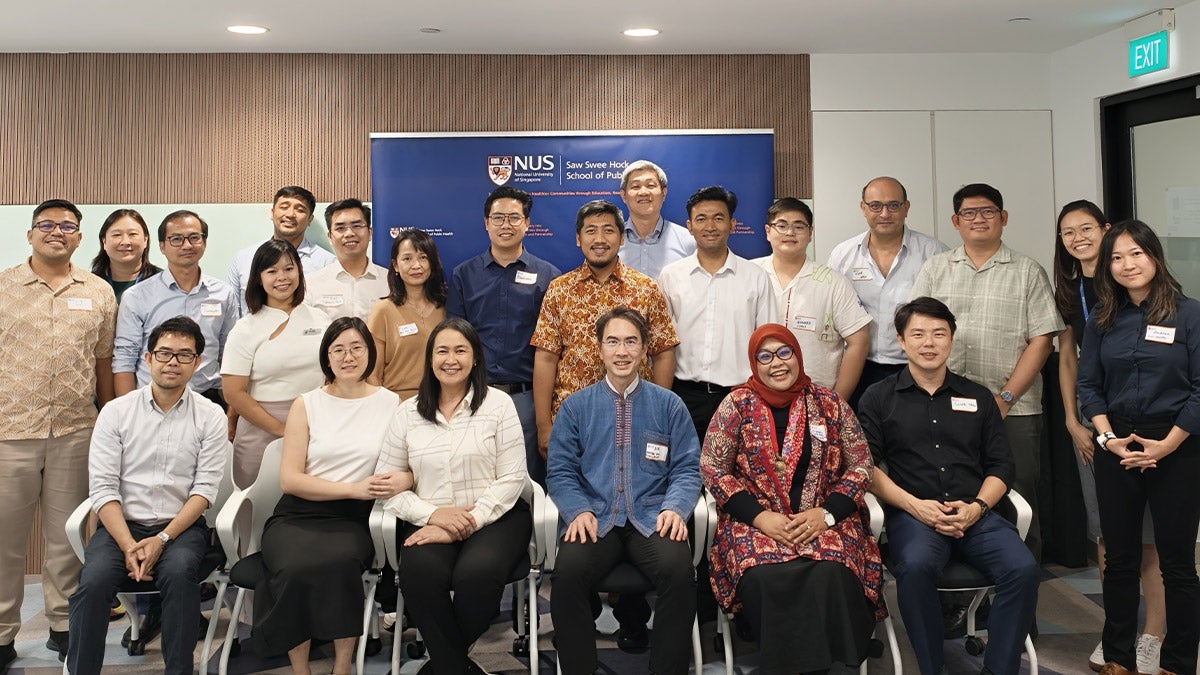
Countries across Southeast Asia face common challenges in strengthening health systems while responding to evolving health challenges. High-quality data, evidence and health system performance assessment are essential to support informed policy-making and stronger, more resilient health systems. Building on a regional convening by NUS SSHSPH and the CMB Foundation, the BRIDGE Network provides a platform for collaboration, bringing together government agencies, academic institutions and regional partners.
The Network supports countries in strengthening health data systems and developing context-appropriate approaches to health system performance assessment, while fostering technical collaboration, capacity building, knowledge exchange and cross-country learning.
Team Lead: A/Prof Piya Hanvoravongchai
Member: Joann Poh