

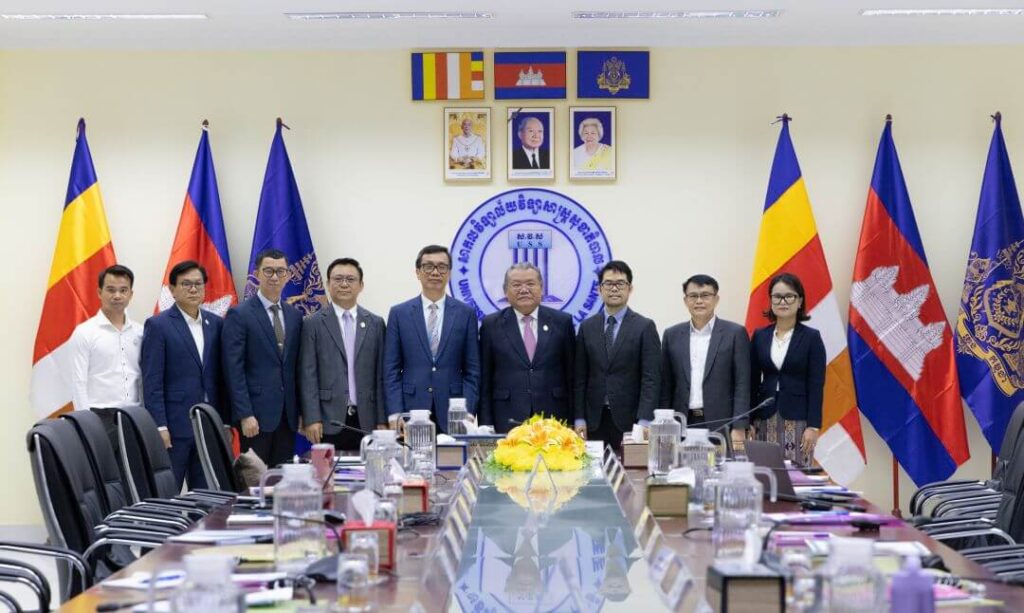
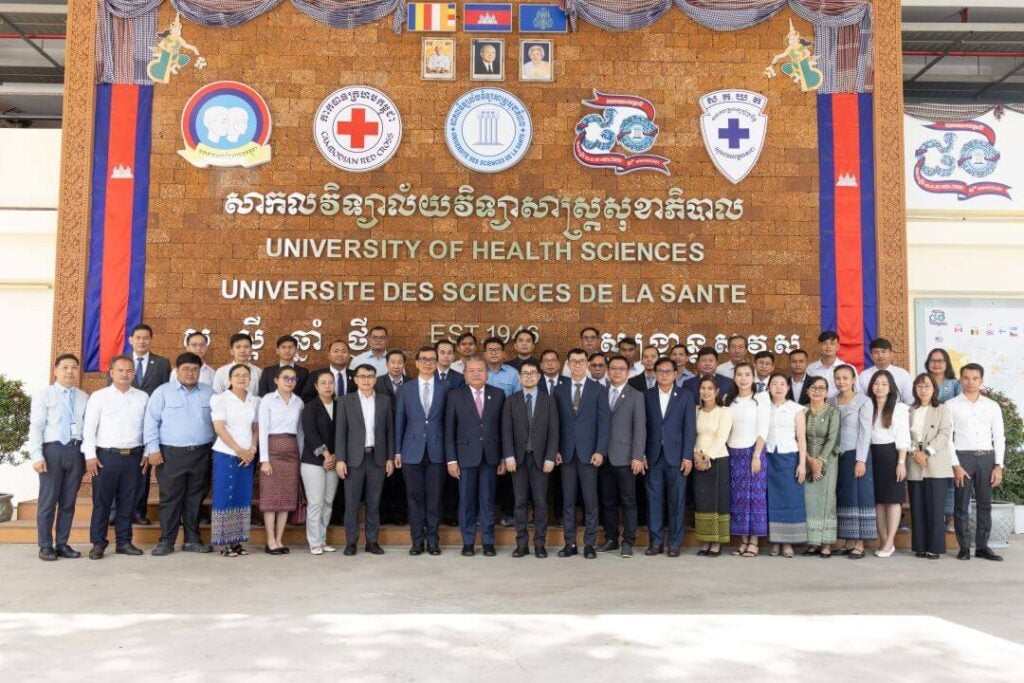
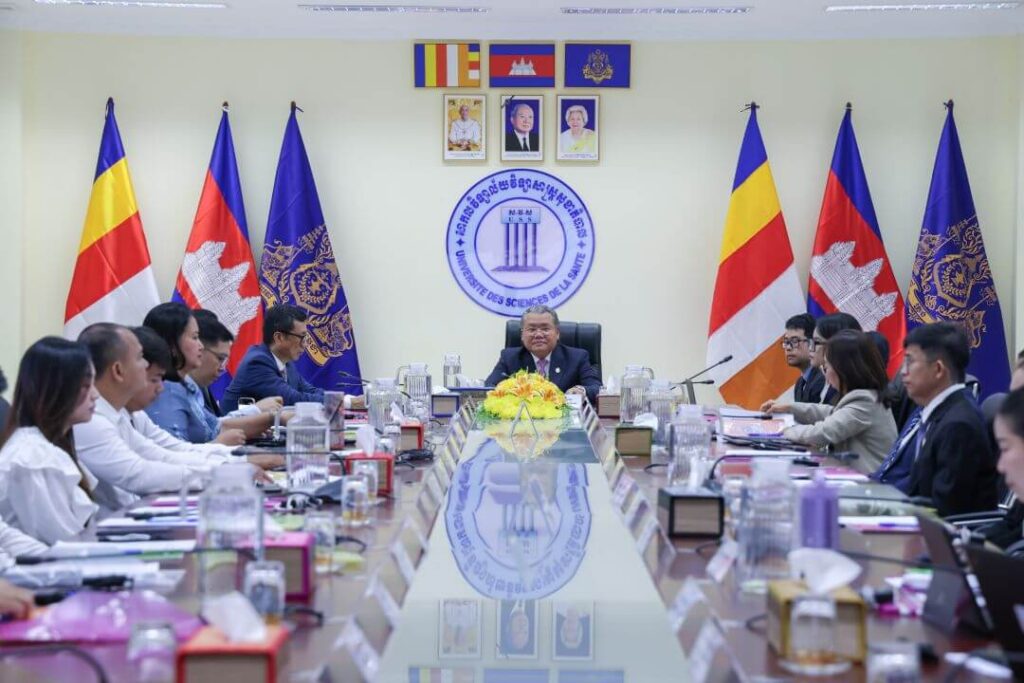
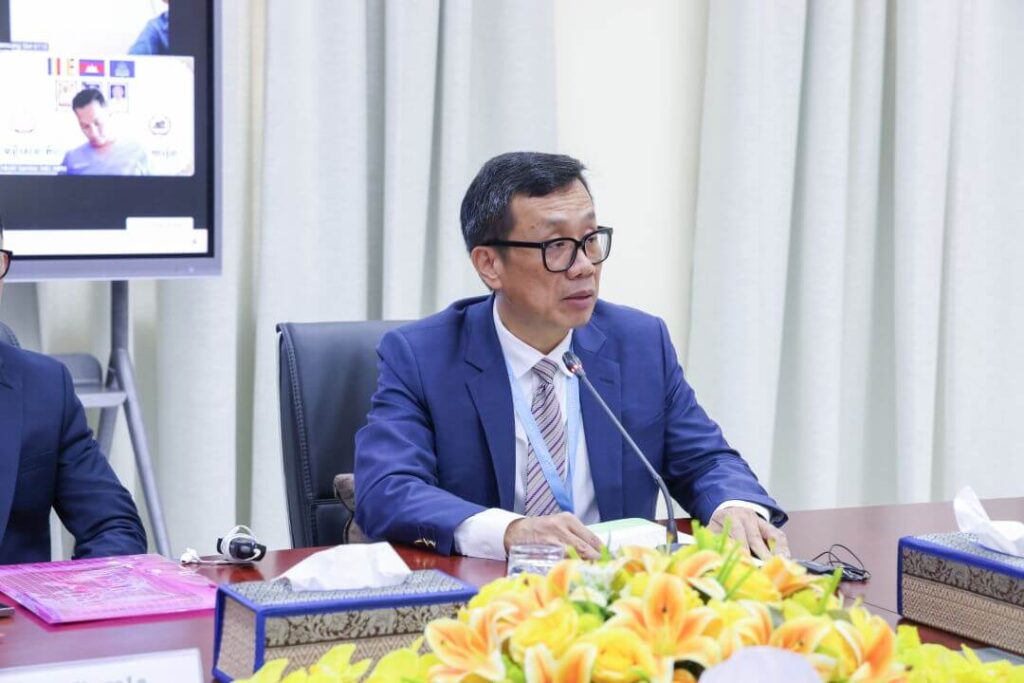
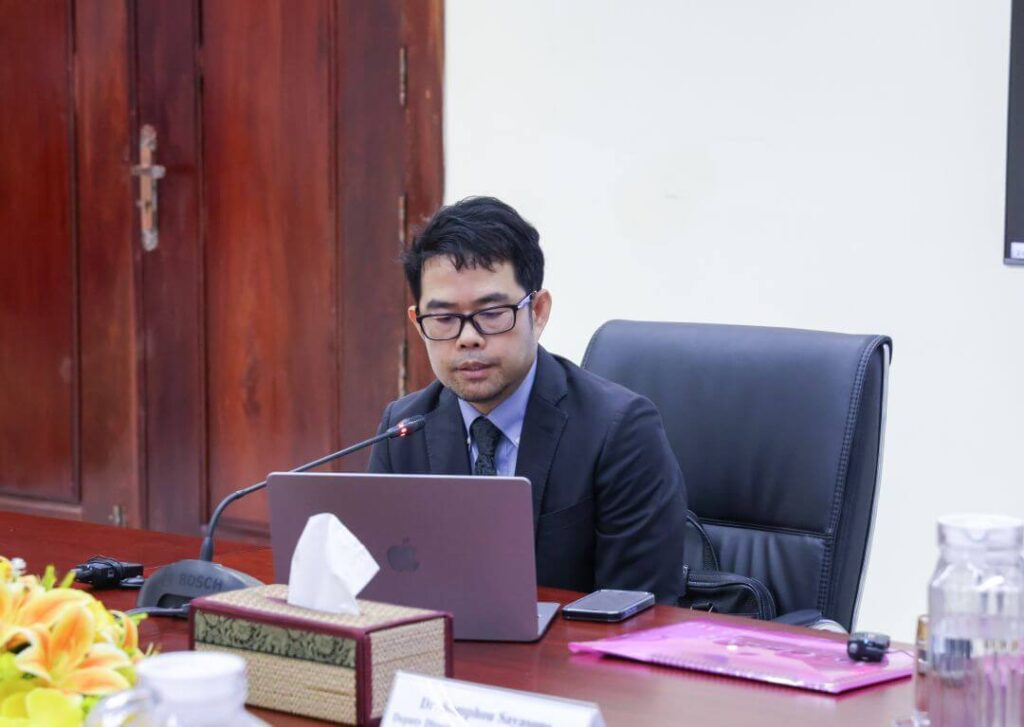
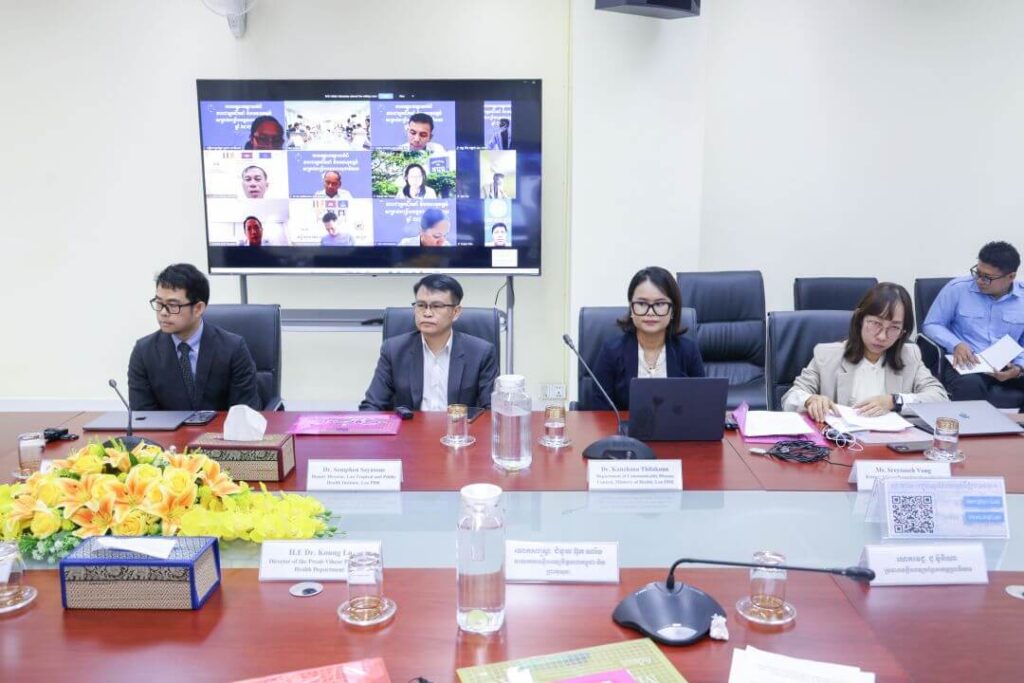
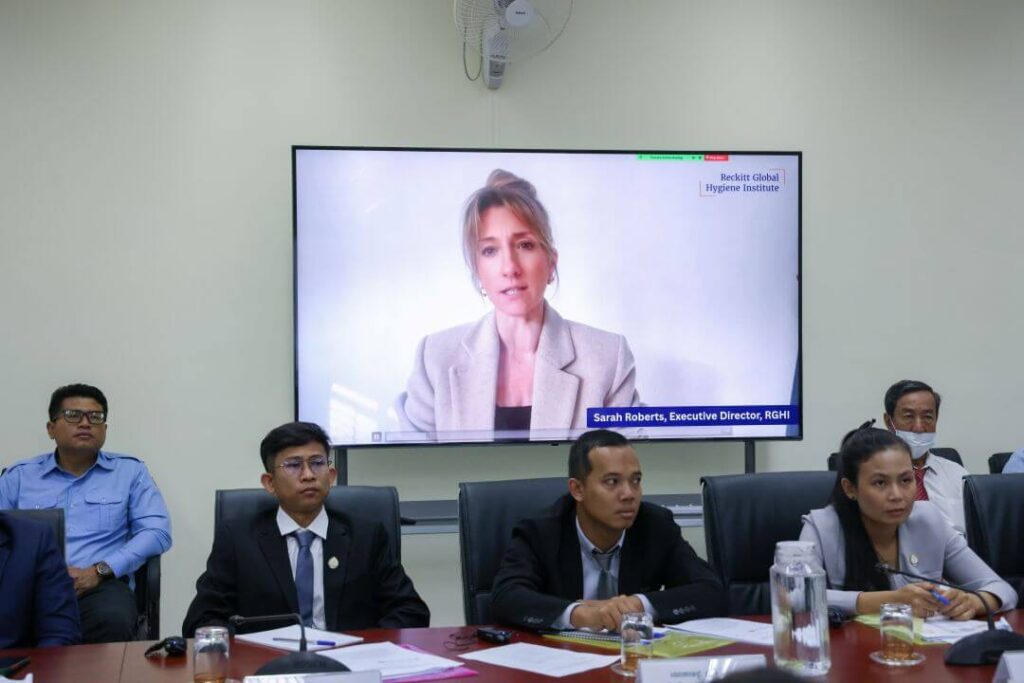
On 26 May 2026, the team from NUS Cambodia Programme, led by Assoc Prof Siyan Yi, attended the dissemination workshop in Phnom Penh, Cambodia to mark the final milestone of the project titled “Developing and Piloting Infection Prevention and Control (IPC) Interventions to Reduce the Incidence of Hospital-Acquired Infection in Cambodia and Lao PDR”, funded by the Reckitt Global Hygiene Institute.
Co-organised by the University of Health Sciences (UHS) and the NUS Cambodia Programme, the dissemination workshop brought together key stakeholders to review project results, achievements, and challenges, while exploring pathways for future implementation. Dr. Somphou Sayasone and Dr. Kanchana Thilakoun represented the Lao Tropical and Public Health Institute (Lao TPHI) from Lao PDR, enriching the workshop with cross-country perspectives.
Participants included representatives from national, provincial, and district hospitals involved in the project and health departments of 24 provinces, alongside officials from the Ministry of Health (MoH).
From concept to action – project highlights
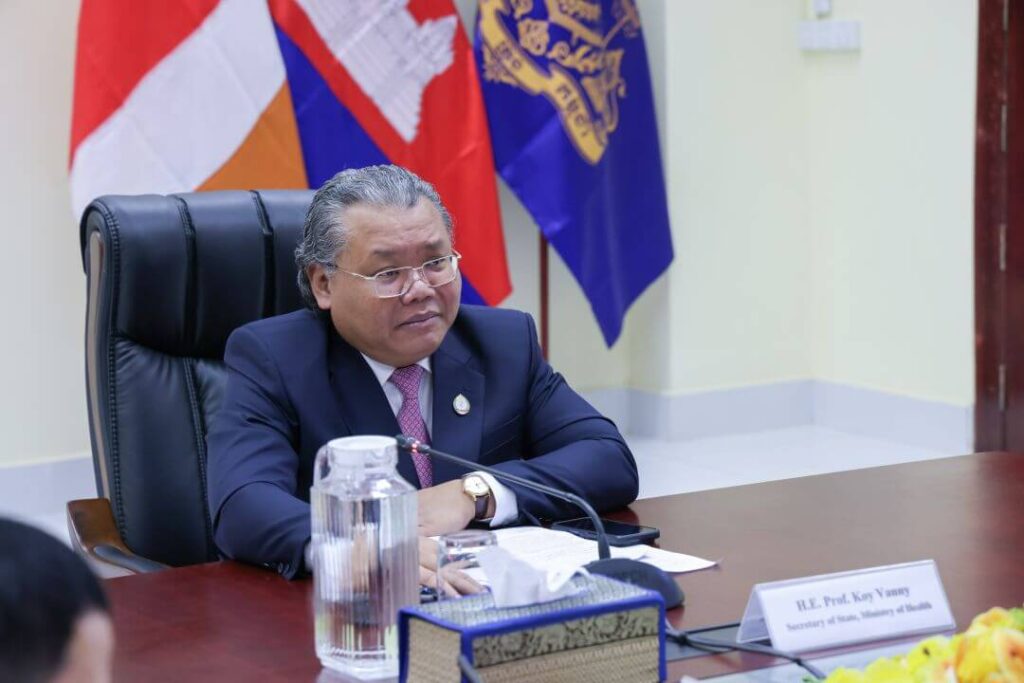
Notable highlights included opening remarks by H.E. Prof. Koy Vanny (Secretary of State at MoH), Prof. Vonthanak Saphonn (Rector, UHS) and Assoc. Prof. Siyan Yi on the importance of robust IPC implementation and locally driven interventions. This was followed by presentations of findings from Cambodia by Dr Dyna Khuon and Ms Sreytouch Vong, and findings from Lao PDR by Dr Kanchana Thilakoun.
Healthcare quality is inseparable from patient safety, and patient safety is inseparable from infection prevention and control.” – H.E. Prof. Koy Vanny
Lessons learnt – strengthening IPC for the future
Interactive discussions on lessons learned formed a key part of the programme, with participants reflecting on past and future implementation of the project. The programme concluded with an award ceremony, where Hand Hygiene Champion certificates and certificates of participation were presented to the participating wards.
Collaborations beyond research projects
Participants collectively recognised that the project has strengthened participating hospitals by generating local evidence for IPC interventions and clarifying health system priorities in IPC initiatives.
This project was funded by the Reckitt Global Hygiene Institute.