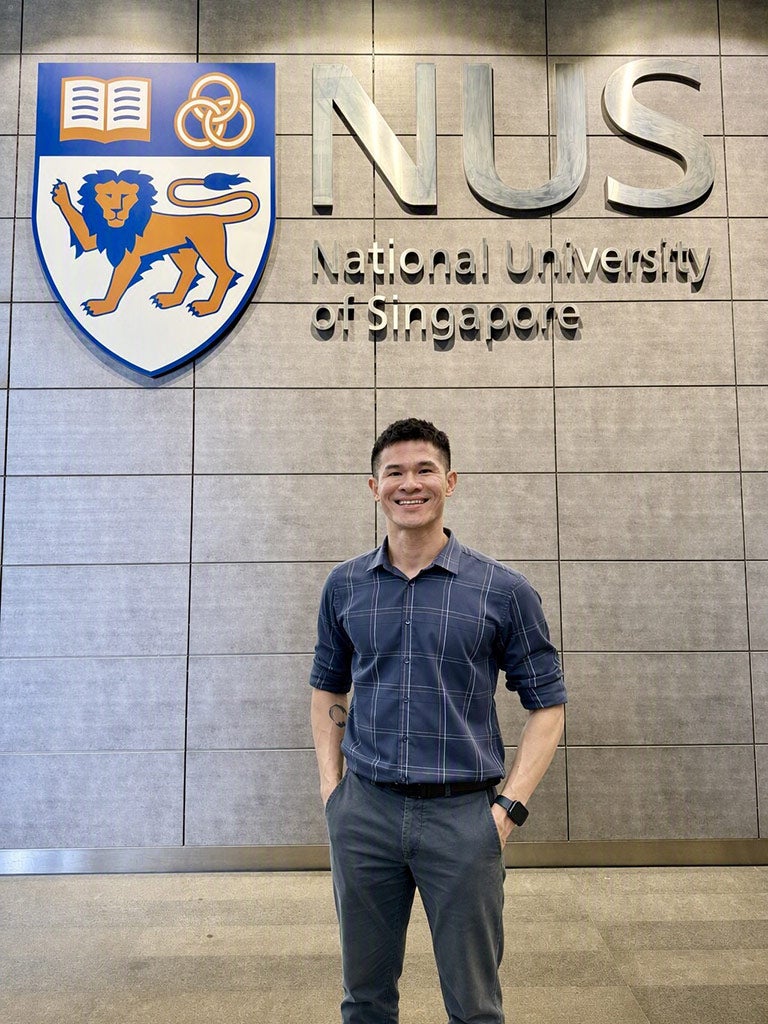
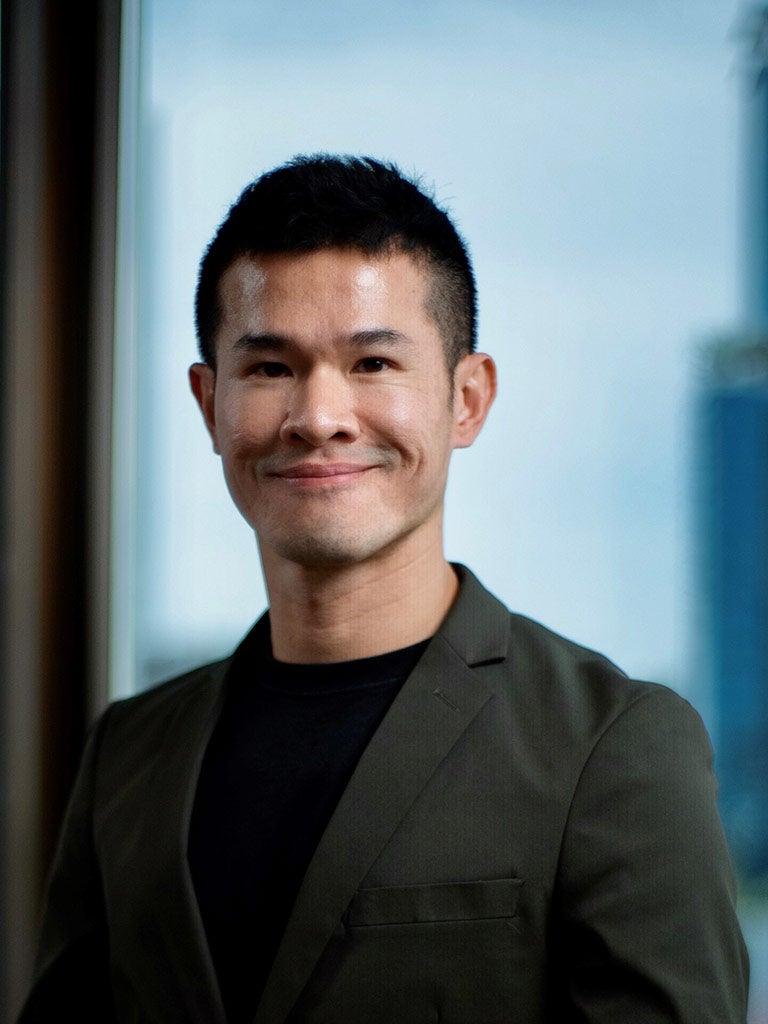
Joe Chan (MScHEOR ’26S)
The deeper Joe Chan went into market access, the bigger the questions became. For Joe, the NUS MSc in Health Economics and Outcomes Research became a way to explore those questions more deeply — strengthening how he understands evidence, value and policy, while gaining practical perspectives that he could bring back to his work.
My academic background has always brought together science and business. I graduated from NUS with a double major in Biomedical Sciences and Business Management, together with a minor in Entrepreneurship, before beginning my career in the pharmaceutical industry. I started in commercial roles and later moved into market access, where I became increasingly interested in how evidence, value and policy come together in real-world healthcare decision-making.
About three years into market access, I realised how much more there was to learn. Decisions about whether medicines and health technologies reach patients are rarely based on a single factor. They involve clinical value, economic value, payer priorities, policy considerations and healthcare system sustainability. I wanted to strengthen my technical foundation, deepen my understanding of HEOR and challenge myself to think more strategically and more broadly.
Choosing the NUS MSc in Health Economics and Outcomes Research felt like a natural next step. NUS is my alma mater, but I was also drawn to the programme’s Asia-focused learning and strong regional relevance. In my first semester, I have already seen this reflected in the use of case studies from different healthcare systems across Asia-Pacific, as well as in the perspectives brought by faculty, industry practitioners, HTA agencies and market access consultants.
One area that has particularly stood out to me is the programme’s emphasis on artificial intelligence. I have valued the discussions on how AI may change HEOR practice and reshape the way evidence is generated, interpreted and applied. These conversations make the programme feel forward-looking, while still remaining grounded in the realities of how HEOR, HTA and market access work today.
What I appreciate most is that the programme is pragmatic and closely connected to real-world practice. As a part-time student working full-time in market access, I can immediately relate what I learn in class to challenges I encounter at work. The programme has helped me broaden my strategic thinking, strengthen how I approach market access challenges and build the deeper HEOR expertise I was looking for.
Looking ahead, I hope to continue growing as a market access strategist with a broader view of healthcare decision-making. I want to become better at bringing together different perspectives and turning complex evidence into decisions that are meaningful in practice. Ultimately, I hope to contribute to better access to healthcare innovation and help more patients benefit from it.