News

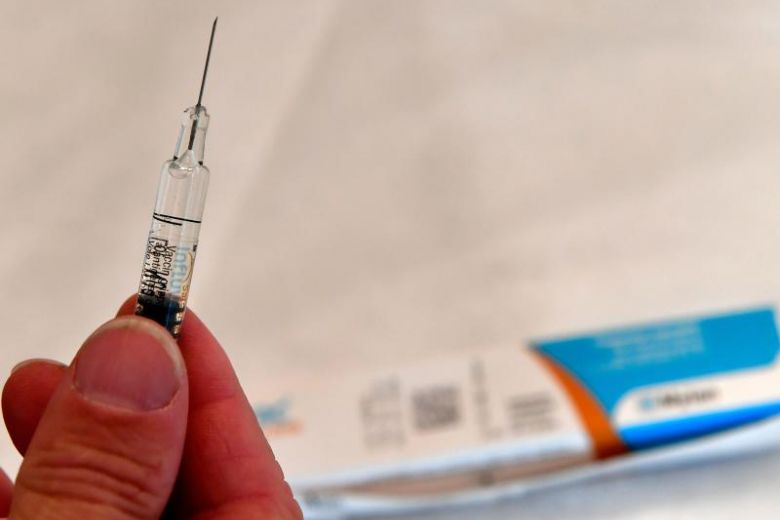
The rise of antibiotic resistance and how to fight it

“Antibiotics are not always the best treatment for infections,” write Assistant Professor Clarence Tam and PhD student Jane Lim in their opinion piece for The Straits Times. The cost of antimicrobial resistance, including antibiotic resistance, will be detrimental if nothing is done about it now. Drug-resistant infections could kill 7 million people annually by 2050 if noRead more

The rise of antibiotic resistance and how to fight it Read More »
Primary healthcare system critical in dengue management

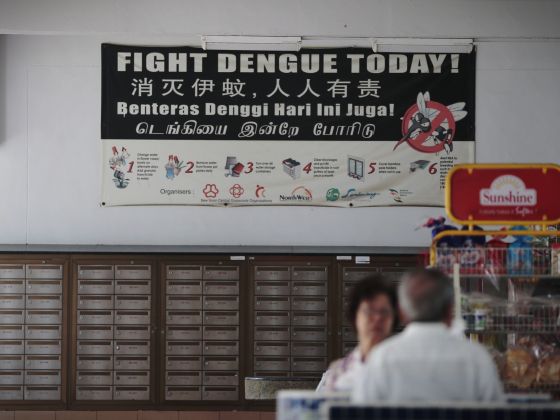
While reducing mosquito breeding grounds and involving the community are key to limiting transmission of dengue fever, the role of the primary healthcare system must not be underestimated, urge Assistant Professor, Dr Vincent Pang, Director of the Centre for Infectious Disease Epidemiology and Research, and Professor Leo Yee Sin, Director of the Institute of Infectious Diseases and

Primary healthcare system critical in dengue management Read More »

Singapore HEALTH Award 2017

“We need a mindset change — we have always valued wealth over health. Now we have to pursue both health and wealth together,” said Dean, Professor Chia Kee Seng at the biennial Singapore HEALTH (Helping Employees Achieve Life-time Health) Award 2017. Initiated by the Health Promotion Board (HPB), the award recognises organisations with strong commitment to promote

Singapore HEALTH Award 2017 Read More »

Impact of extreme blood sugar levels in diabetics may be irreversible

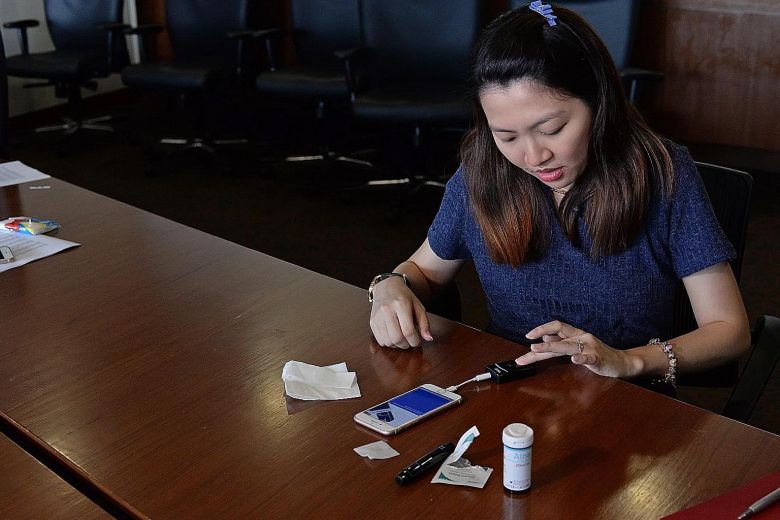
Periods of extreme blood sugar levels put diabetics at significantly higher risk of developing serious complications, according to a recent study by Assistant Professor Kavita Venkataraman and her team. Using more than 11 years of data on blood glucose levels from over 6,000 diabetics aged 52 to 67, the study revealed that the impact of high glucose

Impact of extreme blood sugar levels in diabetics may be irreversible Read More »

Identification of cholesterol gene in Asians can help in heart disease management

A recent study led by Professor Tai E Shyong and Assistant Professor Dr Sim Xueling, along with other researchers, has discovered, for the first time in Asians, the PCSK9 gene that affects cholesterol. The gene had only been identified in Europeans until now. Analysing nearly 69,500 individuals from 6 countries (Philippines, Taiwan, China, Japan, South Korea and Singapore),

Identification of cholesterol gene in Asians can help in heart disease management Read More »

Scroll to Top