
Health Promotion, Risk Communication, and Behaviour Change
This category illustrates the domain’s strengths in leveraging digital technologies, implementation science, and co-created interventions to prevent infectious and chronic diseases, enhance lifestyle behaviours, and promote effective risk communication for scalable health improvements.
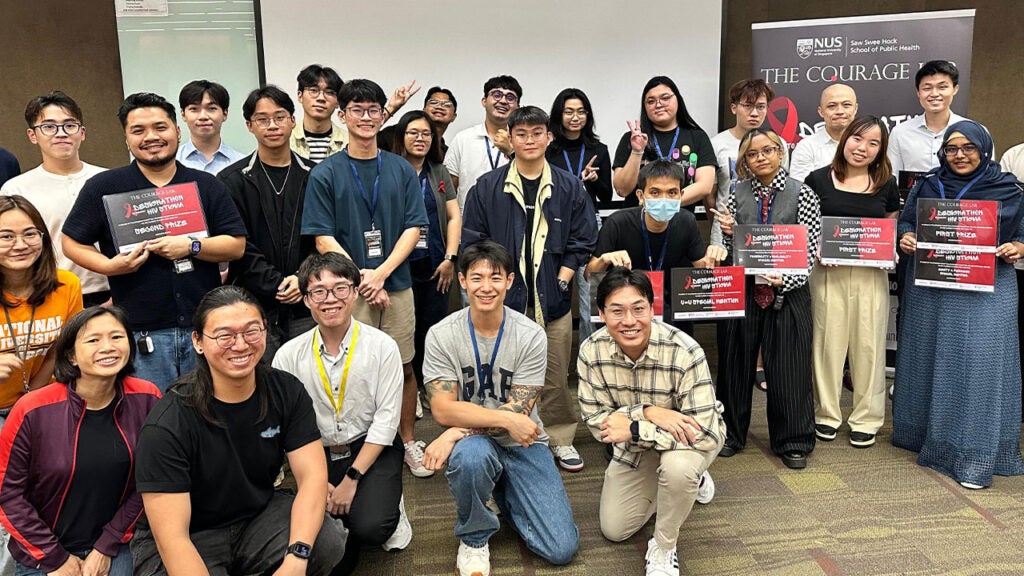
This project addressed HIV-related stigma in Singapore through a community-driven crowdsourcing approach combining an open call and a one-day designathon. The open call gathered ideas grounded in lived experiences, forming the basis for solution development. During the designathon, participants collaborated with mentors to refine ideas using social behavioural science and design-thinking frameworks. Supported by the Saw Swee Hock School of Public Health Ground Up Seed Fund, the project generated innovative strategies and a pilot intervention now under evaluation for wider implementation.
Lead: Dr Rayner Kay Jin Tan
Members: Dr Sophia Archuleta, Dr Joseph Tucker, Dr Weiming Tang, Adj Asst Prof Wong Chen Seong, Daniel Chong Zhao Yang, Lavinia Lin, Ng Wen Zhi, Rayen Tan Bing Hui, Sally Low, Steering Committee, Crowdsourcing Open Call and Designathon Participants
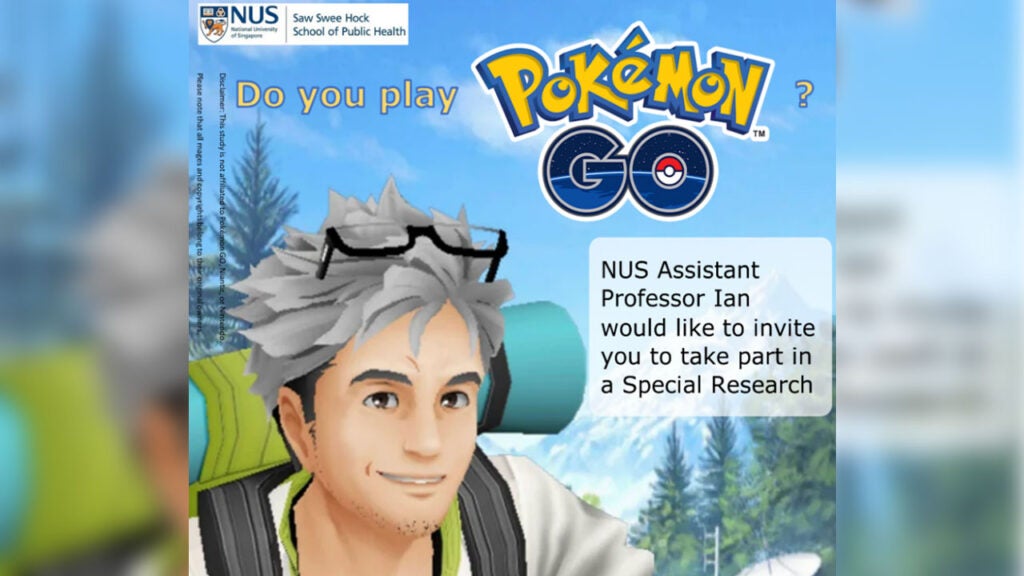
Pokémon GO is an augmented reality mobile game blending virtual gameplay with real-world exploration. The GAMIPhy study examined how physical activity levels—steps, walking, running, and moderate to vigorous activities—vary with gameplay intensity. It also explored how game features, locations, personal factors, and other programmes influence motivation for active play. Over 500 players participated in this three-month observational study, with physical activity data collected through phone sensors or wearables and weekly surveys tracking gameplay patterns and behaviours.
PI: Dr Ian Ang
Members: Koh Ghee Kian, Cheng Hooi Swang
This programme investigates challenges in informed consent and communication in clinical trials, especially in time-sensitive and emergency settings, via social and behavioural research and global collaboration. We examine how members of the public, researchers and healthcare professionals perceive health research, identify knowledge and attitude gaps, and develop culturally sensitive strategies to improve risk communication, consent processes and research participation. Through research and community engagement, this programme aims to design and test behavioural strategies that empower patients and the public to make informed decisions. Findings will inform best practices and contribute to international guidance on ethical and effective research communication.
Lead: Dr Yiyun Shou
Main Collaborators: NUS Advance-ID & Centre for Biomedical Ethics
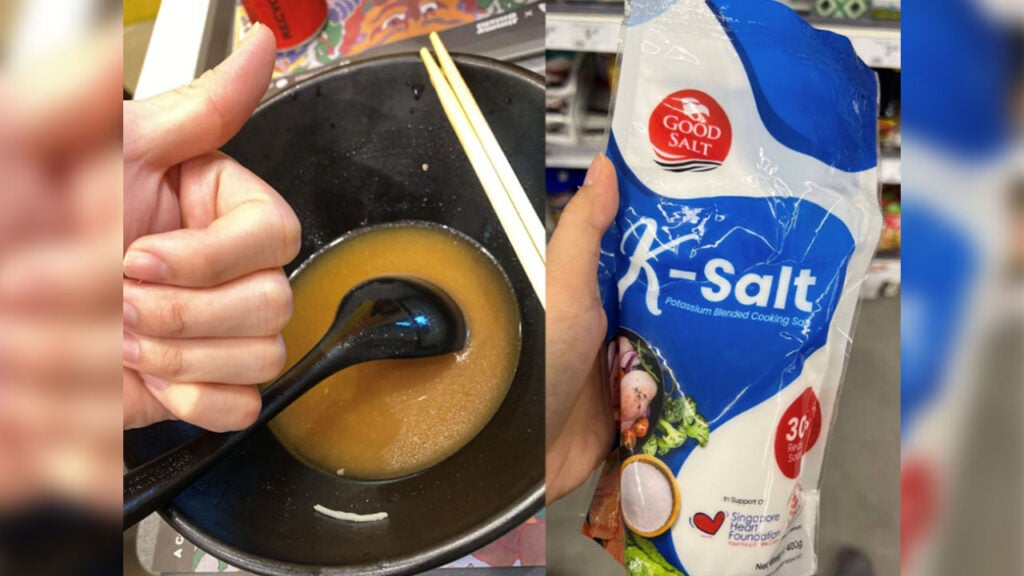
This project addresses Singapore’s high sodium intake through a family-led model positioning young adults as household change agents. The intervention combined a co-created online course, personalised messaging feedback, and a four-week action plan targeting eating out, cooking, and grocery shopping. Thirty-five young adults and seventy-nine relatives participated, showing improvements in sodium knowledge, behaviours, and self-efficacy. The project is generating publications on co-creation, family influence dynamics, and dietary strategies, while exploring artificial intelligence support and informing future scaled-up system-integrated health behaviour change interventions.
PI: Dr Shahmir H. Ali
Co-PI: A/Prof Mary Foong-Fong Chong, Dr Ian Yi Han Ang
Members: Kimberly Mei Yi Low, Cindy Mei Jun Chan
Community Health Systems, Global Health, and Equity-Focused Empowerment
Emphasising social determinants and global health priorities, this category demonstrates community-based approaches that build resilience, address inequities, and amplify voices through partnerships and participatory research.
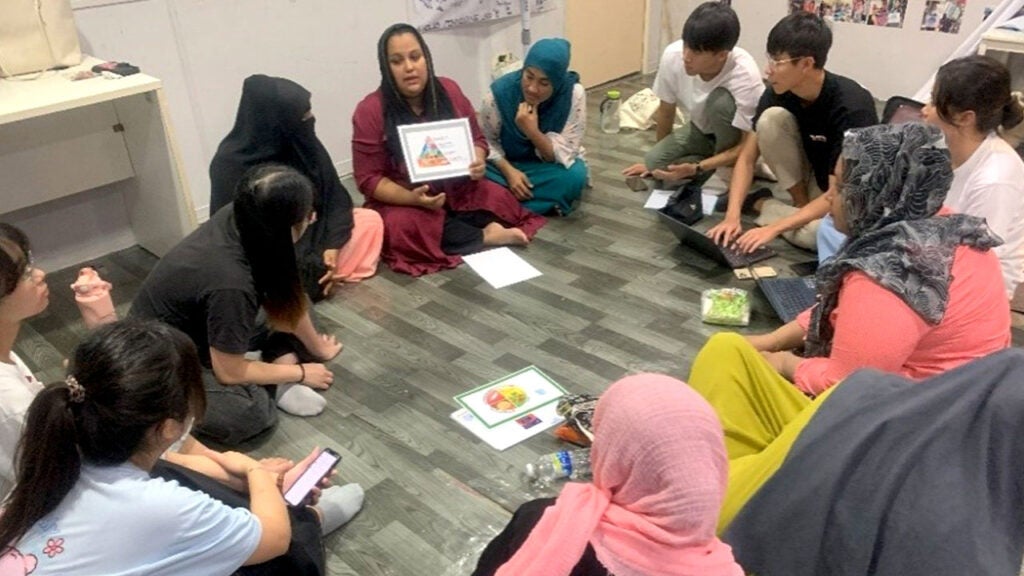
This project empowers Rohingya women in Malaysia to become community health leaders. In collaboration with students from the National University of Singapore (NUS)’s Impact Experience programme, peer educators from the Rohingya Women Development Network (RWDN) identify health needs, conduct house visits, and develop tailored educational programmes. The project not only equips Rohingya women with leadership and advocacy skills but also improves health literacy, fosters social cohesion, and enables refugees to advocate for equitable healthcare.
Lead: Dr Sok Teng Tan
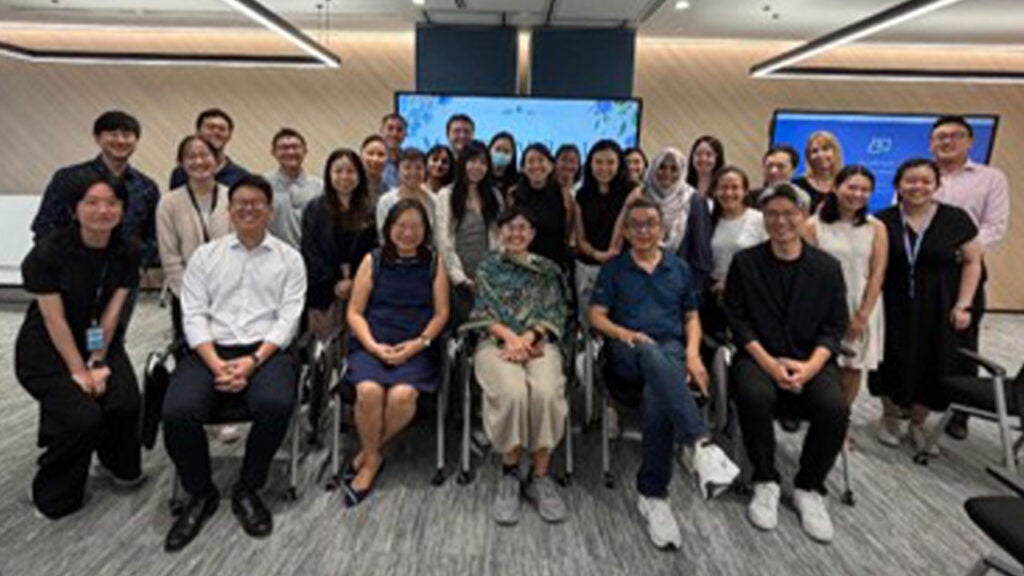
The Movements for Health (M4H) programme advocates bottom-up, community-led action to improve health and well-being. Initiated by the Ministry of Health’s Office for Healthcare Transformation, it co-creates programmes with partners and residents to foster behaviour change, strengthen social ties, and deliver lasting impact. Using mixed methods over four years, it links research and practice through theory-guided programming. The programme also inspired Seniors Action for Greater Empowerment, a multi-year initiative supporting healthy ageing, where researchers co-design and evaluate programmes alongside community members.
Team Lead: Dr Zoe Jane-Lara Hildon
Members: Dr Ian Ang, Dr Su Aw, Dr Thomas Aaron Lowe, Alyssa Chan Yenyi, Shameeta Masilamany, M Lucas Puah Jia Rong, Anna Karenina Mercado Dungca, Felicia Chan Jia Hui
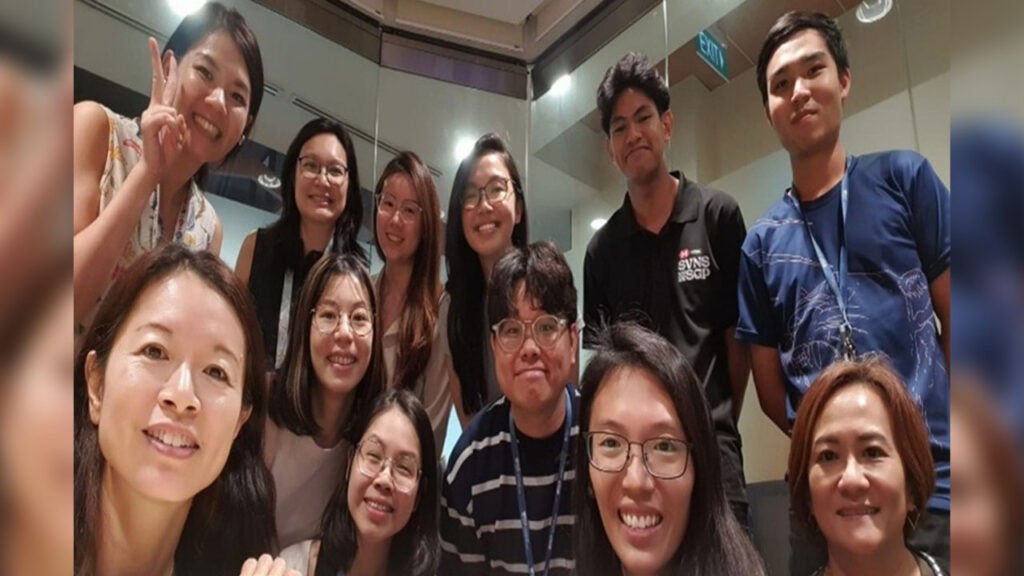
Adopting a youth-engaged participatory action research approach, this project explores how adolescents in Singapore perceive well-being, navigate health risk behaviours, and experience barriers and motivations within schools and post-secondary institutions. It examines positive risk-taking that supports development and negative risk-taking that threatens long-term health, recognising adolescence as a crucial period for shaping lifelong habits. Youths are empowered as co-researchers through structured training, fostering agency and ownership while guiding culturally sensitive, evidence-based interventions to promote healthy behaviours and prevent chronic disease.
Team Lead: A/Prof Mary Chong Foong Fong
Research Team Members: Kimberly Low, Jason Loh, Cindy Chan
NUS Investigators: Dr Zoe Hildon, Dr Aw Su, A/Prof Natasha Howard, A/Prof John Wong Chee Meng and collaborators from A*STAR, NTU, MOE, HPB.
Psychosocial Wellbeing, Quality of Life, and Lifespan Interventions
This category highlights innovative and evidence-based projects for psychosocial resilience and quality of life across life stages.
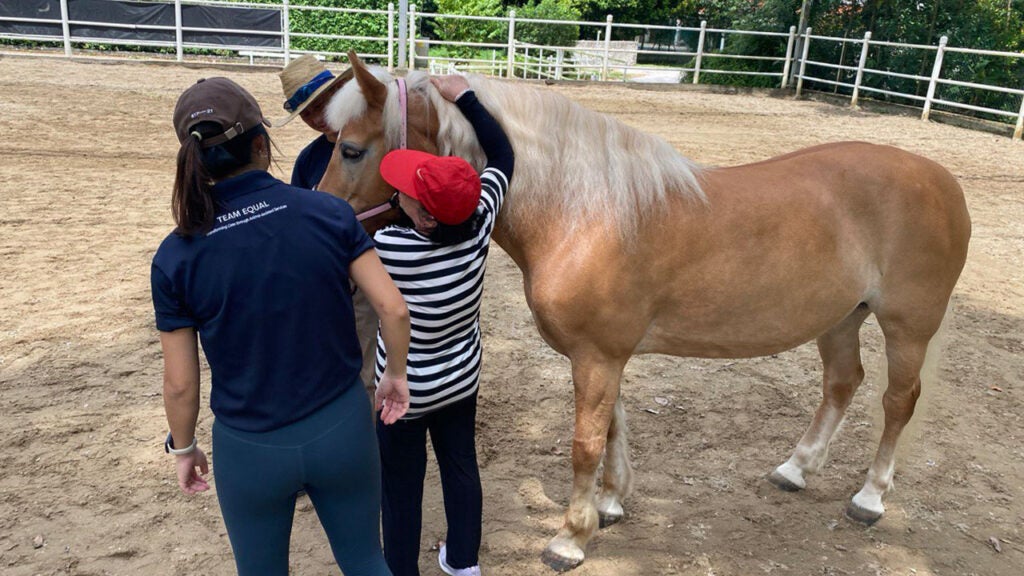
HayDays with Horses is Singapore’s first equine-assisted educational programme to enhance cognitive, psychosocial, and physical well-being of older adults. Developed by EQUAL+ with NTUC Health and funded by Temasek Foundation, it combines horse-based activities, group exercises, and reflective journaling to improve quality of life for community-dwelling and institutionalised seniors. Evaluation by the National University of Singapore School of Public Health (NUS SSHSPH) and the Institute of Mental Health (IMH) uses a cluster randomised trial, quantitative analyses, and qualitative interviews to assess effectiveness and feasibility.
Team Co-Lead: A/Prof Luo Nan, A/P Mythily Subramaniam
NUS Team Members: Yap Xin Yi, Le Ann Chen, Zhang Xi
IMH Team Members: Rajeswari D/O Sambasivam, Archana S
Education, Pedagogy, and Capacity Building
This category showcases the domain’s commitment to building public health capacity through innovative educational, pedagogical, and training initiatives that cultivate ethical, collaborative environments for addressing real-world challenges.

Higher education has seen a shift towards inter-disciplinary, multi-disciplinary, cross-disciplinary, and trans-disciplinary courses, with traditional discipline-specific courses incorporating integrative elements to address real-world problems. Delivering discipline-specific knowledge to learners with diverse academic backgrounds remains challenging, with barriers such as communication and attitudes complicating solutions. This study explores whether a collaborative teaching model, inspired by inter-professional education, can enhance learning for the general education course Public Health in Action. Findings may inform improvements for other courses emphasising cross- or inter-disciplinary approaches.
PI: Dr Tan Yeong Lan
Co-PI: Dr Teng Woon Chien Cecilia, Ms Claire Tan