Elton Goh (MPH '25)
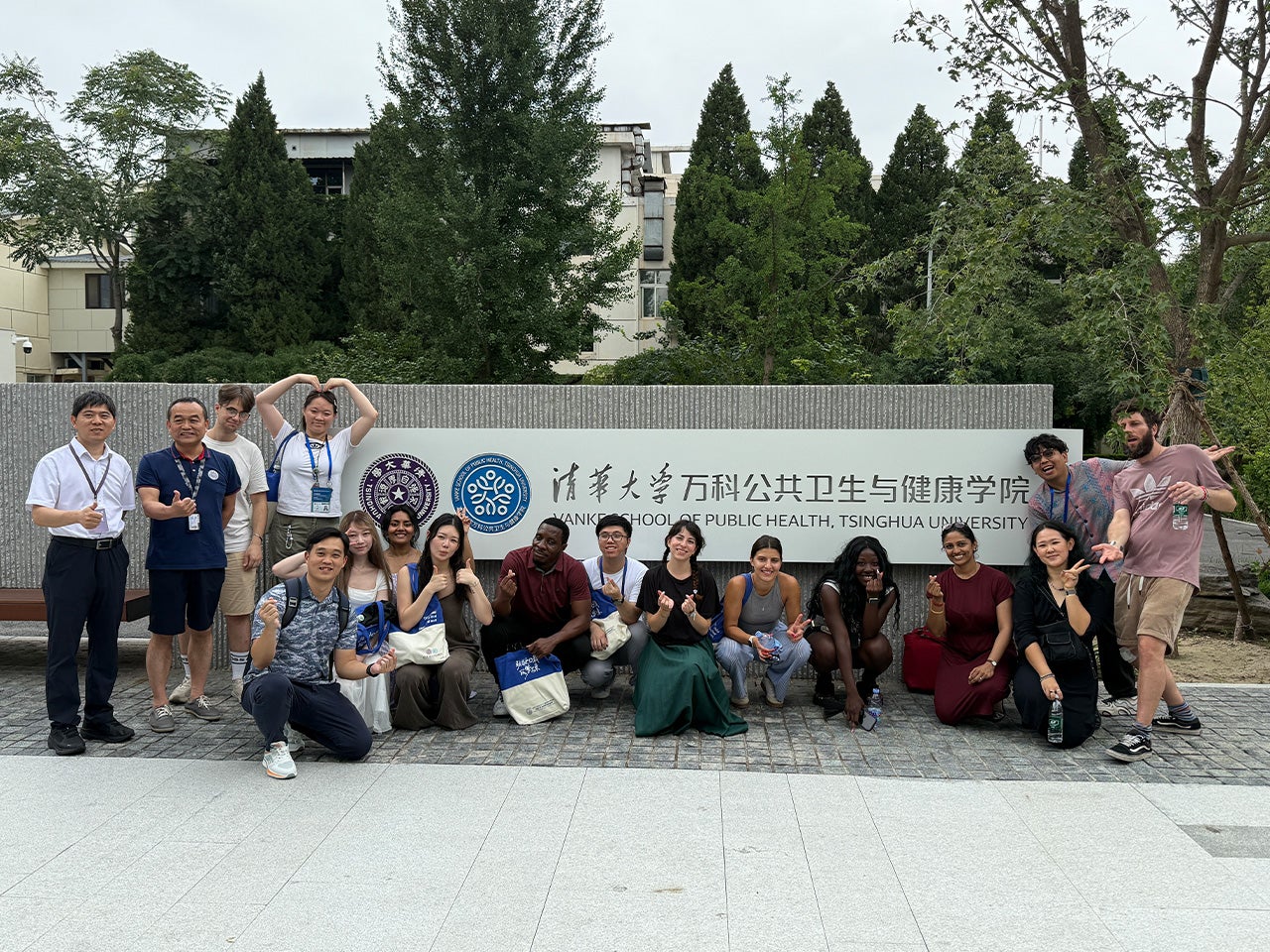
Elton Goh attended the Tsinghua University Vanke School of Public Health Global Summer School 2025 from 5 July to 11 July in Beijing, China.
It was an eye-opening and deeply enriching experience, made possible thanks to the support and nomination from Professor Leow. Over the course of the programme, I participated in lectures, cultural site visits and discussions with peers from across the world, covering themes such as Chinese medicine, AI in healthcare, policy systems and ageing.
I joined the programme with a keen interest in ageing and it was striking to see that China faces similar challenges, particularly with its rapidly ageing population and declining fertility rate. These demographic shifts have significant implications for health systems, long-term care and workforce planning. These are all issues that closely mirror our concerns in Singapore.
One of the most insightful discussions came from a professor who shared how China managed to accelerate digital adoption among older adults. A key enabler was the nationwide shift from cash to digital payment systems, which made mobile platforms a part of daily life. This familiarity created a smoother path to adopting digital health tools, from app-based check-ins to AI-driven screening. I realised that digital inclusion isn’t just about infrastructure, but also creating intuitive and culturally relevant experiences.
I left the programme with a few key reflections.
Firstly, initiatives outside the health sector, such as China’s shift to digital payments can be powerful enablers of health transformation. It made me reflect on how cross-sector design can shape future care accessibility in Singapore.
Secondly, low fertility is not just a policy issue, but a cultural and societal one. Despite generous incentives introduced in some parts of China, fertility rates continue to decline. What I took away is that economic incentives alone are insufficient. Deep-rooted values around work-life balance, gender expectations and housing all influence personal decisions. Singapore may need to engage more meaningfully with these cultural dimensions rather than rely predominantly on fiscal levers.
Finally, the programme highlighted an important lesson that good ideas must align with the systems that adopt them. For example, the predictive frailty assessment uses health data to identify older adults at risk of decline. In large multi-layered health systems such as China’s, varied data sources and regional differences can slow nationwide roll-out. By contrast, Singapore’s more integrated records and coordinated services, could introduce the same tools more quickly. It reminded me that even the best ideas must fit the local context.
All in all, this experience has broadened my thinking, challenged my assumptions and deepened my interest in global health