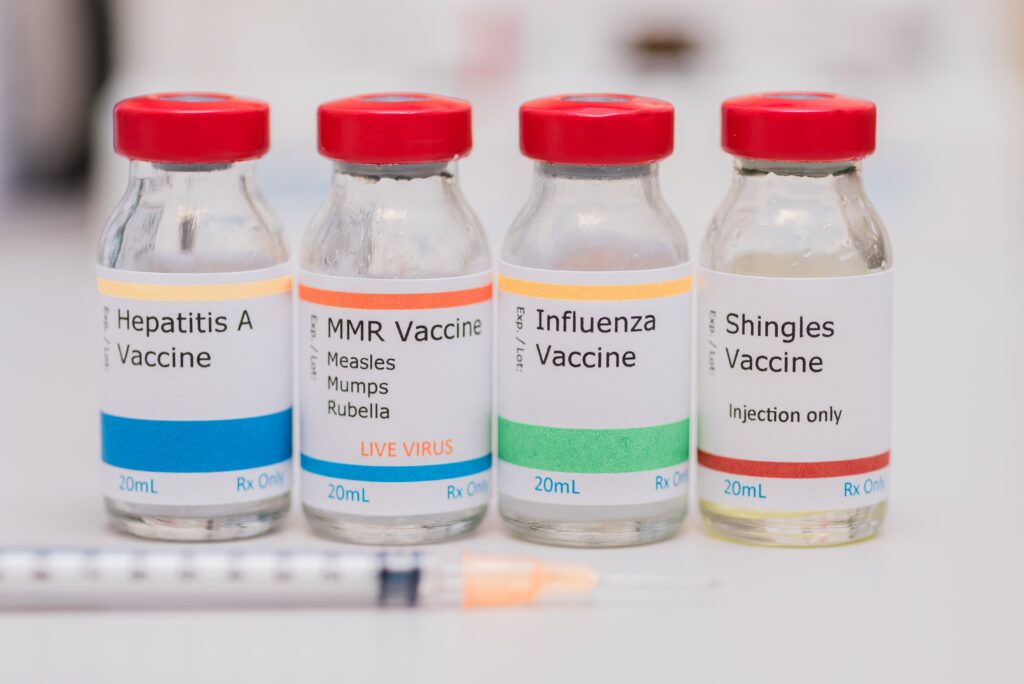
Researchers in the program work on a range of different diseases
Antimicrobial Resistance
Arboviruses
COVID-19
Malaria
Mpox
Outbreaks
Sexually-Transmitted Infections
Tuberculosis
Vaccine-Preventable Diseases
Vibriosis and Cholera
Antimicrobial Resistance (AMR)
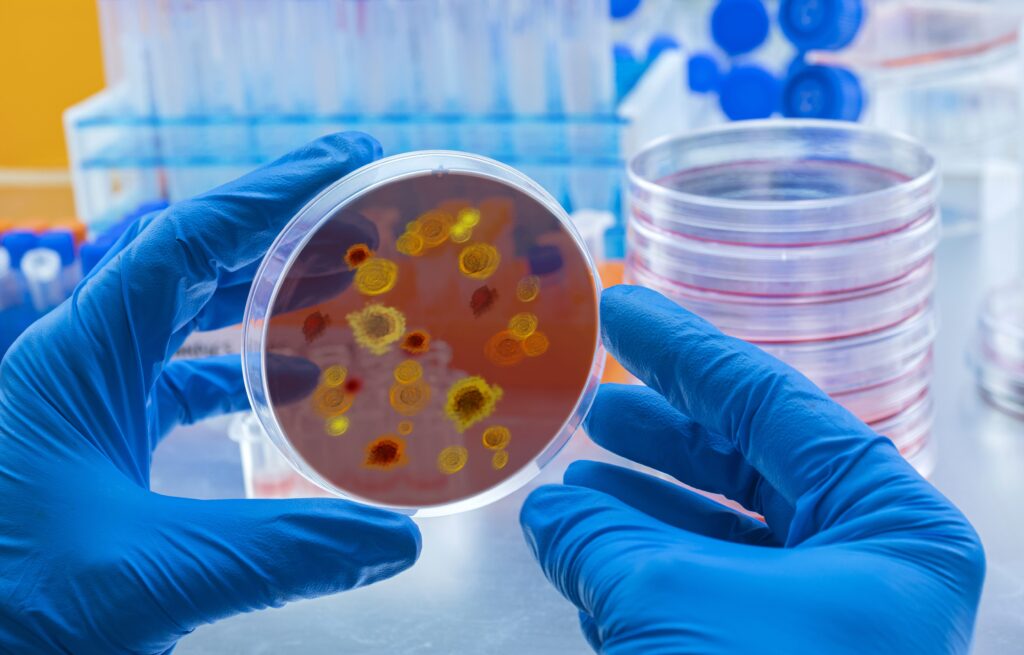
Antimicrobial resistance (AMR) is a global health crisis that threatens the effectiveness of modern medicine. Without effective antibiotics, many routine medical procedures, such as surgery, organ transplantation, and cancer chemotherapy, become much more risky. Through clinical trials, surveillance and observational studies we aim to improve our understanding of AMR and its control in Singapore.
Arboviruses, or arthropod-borne viruses, are a family of viruses that are transmitted by arthropod vectors such as mosquitoes, ticks, and sandflies. Some of these viruses are known to cause severe diseases, such as viral hemorrhagic fevers or viral meningitis/encephalitis. Dengue, yellow fever, chikungunya, and Zika are among the most commonly reported arboviral infections globally.
Our research focuses on the epidemiology, economic burden, and control of dengue and other vector-borne diseases in Singapore and the surrounding region. In Singapore we examine the impact of dengue, including modelling the impact and the cost-effectiveness of interventions such as vaccination programs, predictive tools for severe cases, and environmental factors affecting disease spread.
COVID-19 emerged in late 2019 and rapidly spread globally, leading to a pandemic with significant impacts on health, society, and the economy. Throughout the pandemic and continuing today, our research team has collaborated with national and international researchers to explore various aspects of the pandemic from epidemiological, clinical, and phylogenetic characteristics of COVID-19 transmission to wastewater surveillance for COVID-19 transmission, the impact of travel bans, compliance with preventive measures, and factors influencing transmission in densely populated areas.
Malaria is a life-threatening disease caused by parasites of the genus Plasmodium and transmitted to humans through the bites of infected female Anopheles mosquitoes. It is a major global health problem, particularly in tropical and subtropical regions. Using epidemiological and ecological approaches, we want to understand the interactions between human, vector and environmental factors. We also focus on innovative strategies that consider ecological and environmental factors.
Mpox is a viral zoonotic disease caused by the monkeypox virus, a member of the Orthopoxvirus genus in the Poxviridae family. It is a rare disease that occurs primarily in Central and West Africa, but cases have been reported in other regions. In recent years, the number of reported cases and the geographic spread of mpox have been increasing, raising concerns about its potential as a global health threat. Our focus is on modelling mpox transmission risk among men having sex with men, estimating global risk of mpox, and acceptability of mpox vaccine.
Outbreaks can emerge for many reasons. Therefore, conducting targeted research and collaborating with experts from diverse fields is fundamental to develop effective prevention and control strategies. Our team has shown a strong dedication to addressing infectious disease outbreaks, from regional concerns such as Zika and Nipah to global emergencies such as COVID-19, tuberculosis, novel influenza and mpox. Through epidemiological studies, genomic technologies, and modelling, key challenges will be tackled in a comprehensive manner.
Understanding sexually transmitted infections (STIs) is essential for public health due to their prevalence, potential for long-term health complications, and impact on individuals and communities. Our research focuses on the epidemiology, innovative methods for prevention and treatment, and implementation strategies of STI’s. The team is currently working on the mpox outbreak in the Democratic Republic of the Congo, Burundi and Uganda.
Tuberculosis is a bacterial infection caused by Mycobacterium tuberculosis and primarily affects the lungs. TB is a major global health problem, causing significant morbidity and mortality worldwide. TB is a leading cause of death worldwide, particularly in low- and middle-income countries. We conduct genotypic analyses and, in collaboration with our international partners, have carried out studies in Cambodia aimed at optimizing TB case detection, treatment, and prevention strategies to bridge gaps in the healthcare system.
Associate Professor (Practice),
Programme Leader (USIRP)
Vaccine-Preventable Diseases
Vaccine-preventable diseases (VPD) are infectious diseases that can be prevented through vaccination. Vaccines are one of the most effective and cost-effective public health interventions, saving millions of lives each year. Vaccination protects individuals from contracting VPDs and reduces the spread of these diseases in the community. Our focus is on cost-effectiveness and intervention strategies of human papillomavirus (HPV) vaccination implementation, modelling of VPD in Singapore and countries in the South East Asia.
Vibrios are the most important human pathogens from marine and coastal waters, and the number of infections they cause has been increasing over the last two decades. The relationship between climate and incidence of vibriosis is well known, with their environmental abundance tightly correlated with water temperatures. Vibrios experience seasonal patterns of infections, with warmer months presenting higher incidence. Working with local Hospitals, NEA and SFA in Singapore, we are investigating the etiology of vibriosis, which differs from temperate countries where most studies have taken place. We are also looking at the incidence of these sometimes fatal infections, which exceeds that of most states in the USA, the only country with a mandatory reporting system.
Antimicrobial resistance (AMR) is a global health crisis that threatens the effectiveness of modern medicine. Without effective antibiotics, many routine medical procedures, such as surgery, organ transplantation, and cancer chemotherapy, become much more risky. Through clinical trials, surveillance and observational studies we aim to improve our understanding of AMR and its control in Singapore.
Arboviruses, or arthropod-borne viruses, are a family of viruses that are transmitted by arthropod vectors such as mosquitoes, ticks, and sandflies. Some of these viruses are known to cause severe diseases, such as viral hemorrhagic fevers or viral meningitis/encephalitis. Dengue, yellow fever, chikungunya, and Zika are among the most commonly reported arboviral infections globally.
Our research focuses on the epidemiology, economic burden, and control of dengue and other vector-borne diseases in Singapore and the surrounding region. In Singapore we examine the impact of dengue, including modelling the impact and the cost-effectiveness of interventions such as vaccination programs, predictive tools for severe cases, and environmental factors affecting disease spread.
COVID-19 emerged in late 2019 and rapidly spread globally, leading to a pandemic with significant impacts on health, society, and the economy. Throughout the pandemic and continuing today, our research team has collaborated with national and international researchers to explore various aspects of the pandemic from epidemiological, clinical, and phylogenetic characteristics of COVID-19 transmission to wastewater surveillance for COVID-19 transmission, the impact of travel bans, compliance with preventive measures, and factors influencing transmission in densely populated areas.
Malaria is a life-threatening disease caused by parasites of the genus Plasmodium and transmitted to humans through the bites of infected female Anopheles mosquitoes. It is a major global health problem, particularly in tropical and subtropical regions. Using epidemiological and ecological approaches, we want to understand the interactions between human, vector and environmental factors. We also focus on innovative strategies that consider ecological and environmental factors.
Mpox is a viral zoonotic disease caused by the monkeypox virus, a member of the Orthopoxvirus genus in the Poxviridae family. It is a rare disease that occurs primarily in Central and West Africa, but cases have been reported in other regions. In recent years, the number of reported cases and the geographic spread of mpox have been increasing, raising concerns about its potential as a global health threat. Our focus is on modelling mpox transmission risk among men having sex with men, estimating global risk of mpox, and acceptability of mpox vaccine.
Outbreaks can emerge for many reasons. Therefore, conducting targeted research and collaborating with experts from diverse fields is fundamental to develop effective prevention and control strategies. Our team has shown a strong dedication to addressing infectious disease outbreaks, from regional concerns such as Zika and Nipah to global emergencies such as COVID-19, tuberculosis, novel influenza and mpox. Through epidemiological studies, genomic technologies, and modelling, key challenges will be tackled in a comprehensive manner.
Understanding sexually transmitted infections (STIs) is essential for public health due to their prevalence, potential for long-term health complications, and impact on individuals and communities. Our research focuses on the epidemiology, innovative methods for prevention and treatment, and implementation strategies of STI’s. The team is currently working on the mpox outbreak in the Democratic Republic of the Congo, Burundi and Uganda.
Tuberculosis is a bacterial infection caused by Mycobacterium tuberculosis and primarily affects the lungs. TB is a major global health problem, causing significant morbidity and mortality worldwide. TB is a leading cause of death worldwide, particularly in low- and middle-income countries. We conduct genotypic analyses and, in collaboration with our international partners, have carried out studies in Cambodia aimed at optimizing TB case detection, treatment, and prevention strategies to bridge gaps in the healthcare system.
Associate Professor (Practice),
Programme Leader (USIRP)
Vaccine-Preventable Diseases
Vaccine-preventable diseases (VPD) are infectious diseases that can be prevented through vaccination. Vaccines are one of the most effective and cost-effective public health interventions, saving millions of lives each year. Vaccination protects individuals from contracting VPDs and reduces the spread of these diseases in the community. Our focus is on cost-effectiveness and intervention strategies of human papillomavirus (HPV) vaccination implementation, modelling of VPD in Singapore and countries in the South East Asia.
Vibrios are the most important human pathogens from marine and coastal waters, and the number of infections they cause has been increasing over the last two decades. The relationship between climate and incidence of vibriosis is well known, with their environmental abundance tightly correlated with water temperatures. Vibrios experience seasonal patterns of infections, with warmer months presenting higher incidence. Working with local Hospitals, NEA and SFA in Singapore, we are investigating the etiology of vibriosis, which differs from temperate countries where most studies have taken place. We are also looking at the incidence of these sometimes fatal infections, which exceeds that of most states in the USA, the only country with a mandatory reporting system.
Antimicrobial resistance occurs when microorganisms such as bacteria, viruses, fungi, and parasites evolve to become resistant to the effects of antimicrobial drugs.
The Climate, Environment and Health Programme focuses on evaluating health risks from climate and environmental changes, particularly in Southeast Asia, one of the most climate-vulnerable regions.
Malaria is a life-threatening disease caused by parasites of the genus Plasmodium and transmitted to humans through the bites of infected female Anopheles mosquitoes.
Neglected tropical diseases are a diverse group of infectious diseases that predominantly affect impoverished populations in tropical and subtropical regions.
Outbreaks can emerge for many reasons. Some stem from the invasion of a novel pathogen. Others are fuelled by antibiotic-resistant organisms that defy treatment or by environmental shifts.
Tuberculosis is a bacterial infection caused by Mycobacterium tuberculosis. It primarily affects the lungs, but can also affect other parts of the body.